Understanding Water Hardness: A Guide to Water Hardness Analyzers
Water hardness, a measure of the mineral content in water, particularly calcium and magnesium, significantly impacts various applications, from household use to industrial processes. High water hardness can lead to scale buildup in pipes and appliances, reduced cleaning effectiveness of soaps, and altered tastes. A water hardness analyzer is an essential tool for accurately measuring these levels, helping users mitigate potential problems and optimize water quality. This article explores the causes of water hardness, its effects, and the benefits of using a reliable water hardness analyzer.
What Causes Water Hardness?
Water hardness originates from the dissolution of minerals as water percolates through soil and rock formations. Calcium and magnesium are the primary contributors, typically entering the water supply from limestone, chalk, or dolomite deposits. The level of hardness is often expressed in parts per million (ppm) or grains per gallon (gpg). Understanding the geological makeup of a region can often predict the general level of water hardness. There are different types of hardness – temporary (carbonate) and permanent (non-carbonate) – each requiring different treatment methods. A water hardness analyzer doesn’t distinguish between these types, but simply provides a total hardness reading.
Key Takeaway: Water hardness is a natural phenomenon caused by the presence of dissolved minerals, primarily calcium and magnesium, picked up as water moves through geological formations.
The Effects of Hard Water
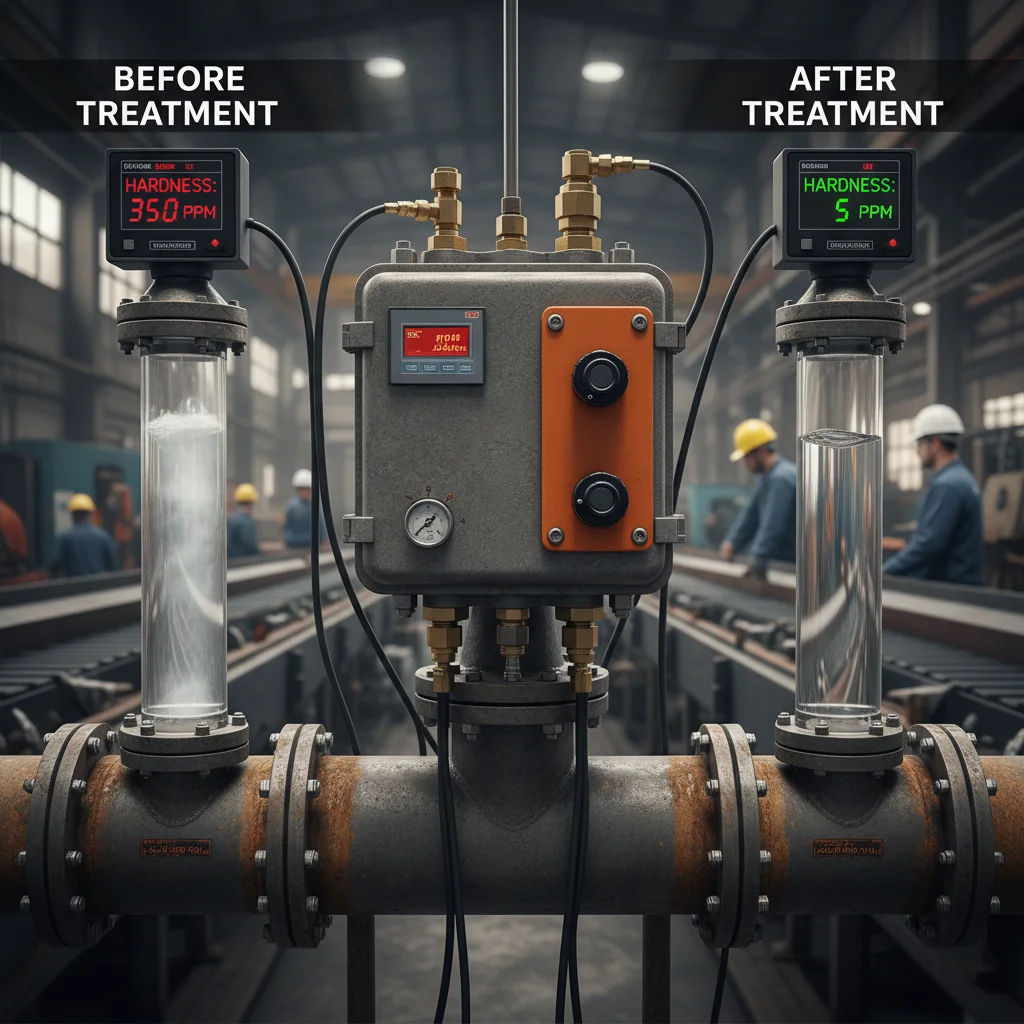
Hard water's effects are wide-ranging. In homes, it causes scale buildup in water heaters, pipes, and appliances like dishwashers and washing machines, reducing their efficiency and lifespan. It also diminishes the effectiveness of soaps and detergents, requiring more product for cleaning and leaving behind residue. This can lead to dull hair, dry skin, and spotting on dishes and glassware. Industrially, hard water can cause scaling in boilers, cooling towers, and other equipment, leading to costly downtime and repairs. Accurate measurement with a water hardness analyzer allows for proactive management of these issues.
Hard Water Problems:
• Scale buildup in pipes and appliances
• Reduced cleaning effectiveness of soaps
• Dull hair and dry skin
• Increased energy costs due to reduced appliance efficiency
Why Use a Water Hardness Analyzer?
Regularly monitoring water hardness is crucial for maintaining optimal water quality and preventing costly problems. A water hardness analyzer provides accurate and reliable readings, enabling informed decisions about water treatment. This is essential for homeowners wanting to protect their appliances and for industries needing to maintain efficient operations. It helps determine the appropriate type and dosage of water softening chemicals, maximizing their effectiveness and minimizing waste. Without accurate readings, water treatment can be inefficient or even ineffective.
| Water Hardness Level |
ppm (mg/L) |
gpg (grains/gallon) |
Description |
| Soft |
0 – 60 |
0 – 3.5 |
Generally requires no softening. |
| Moderately Hard |
61 – 120 |
3.6 – 7.0 |
May begin to cause mild scaling. |
| Hard |
121 – 180 |
7.1 – 10.5 |
Significant scaling is likely. Water softening recommended. |
| Very Hard |
181+ |
10.6+ |
Severe scaling; water softening is crucial. |
Choosing the Right Water Hardness Analyzer
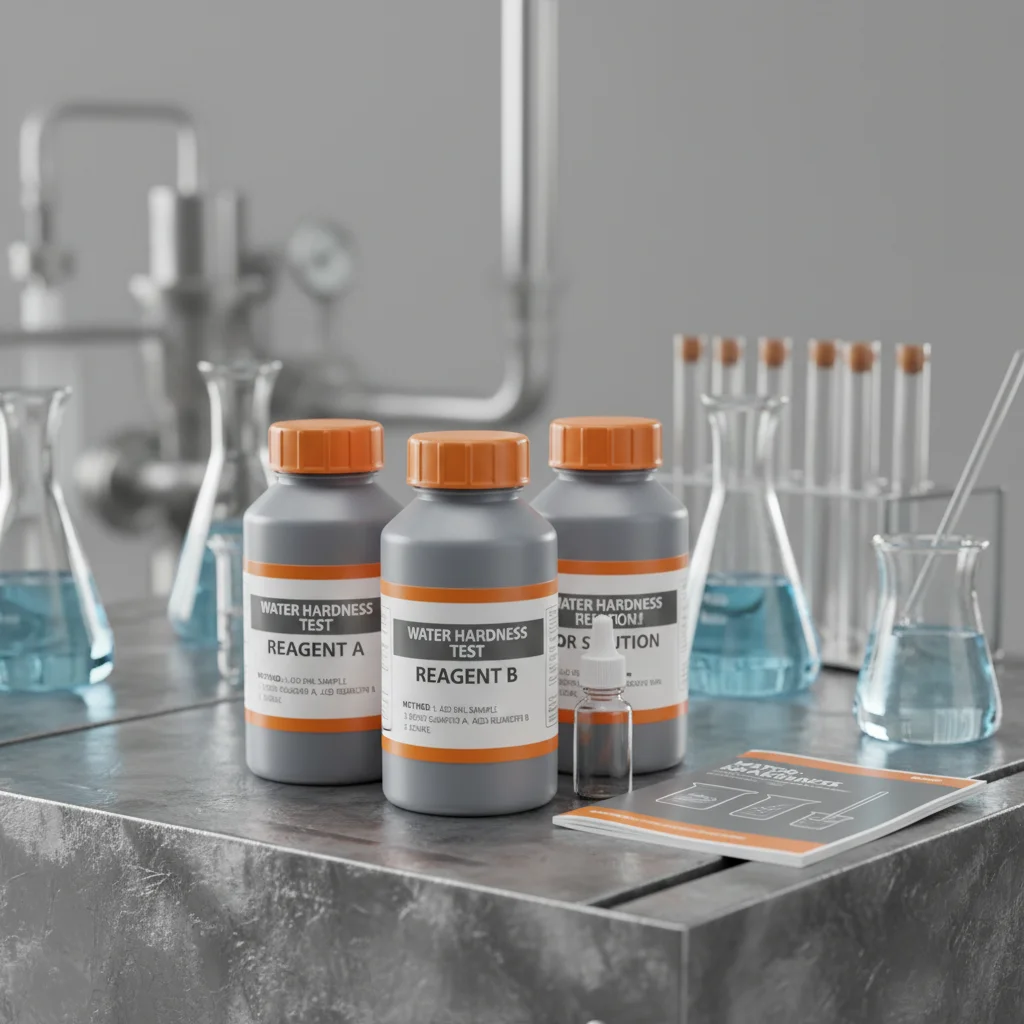
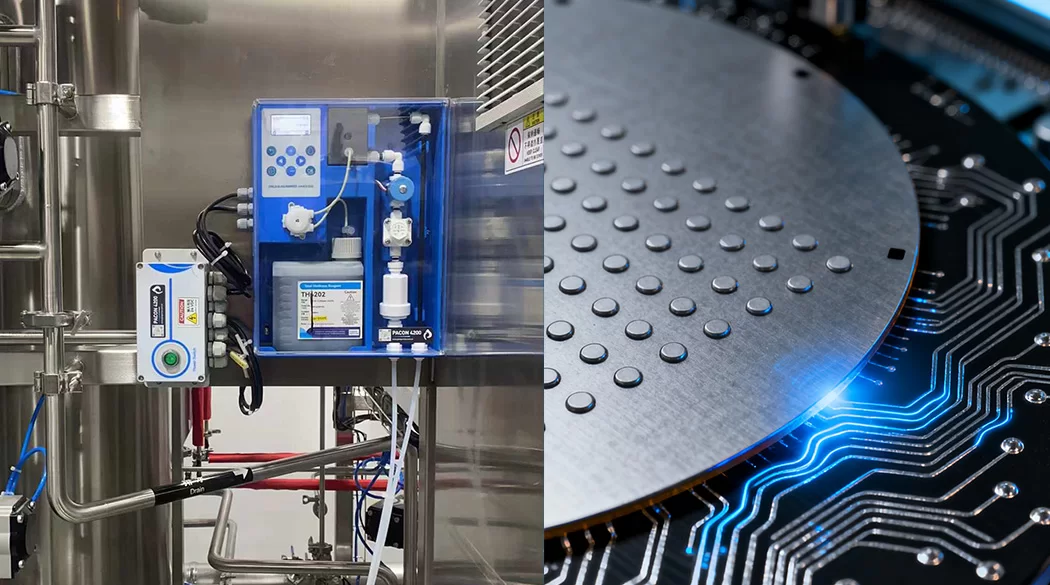
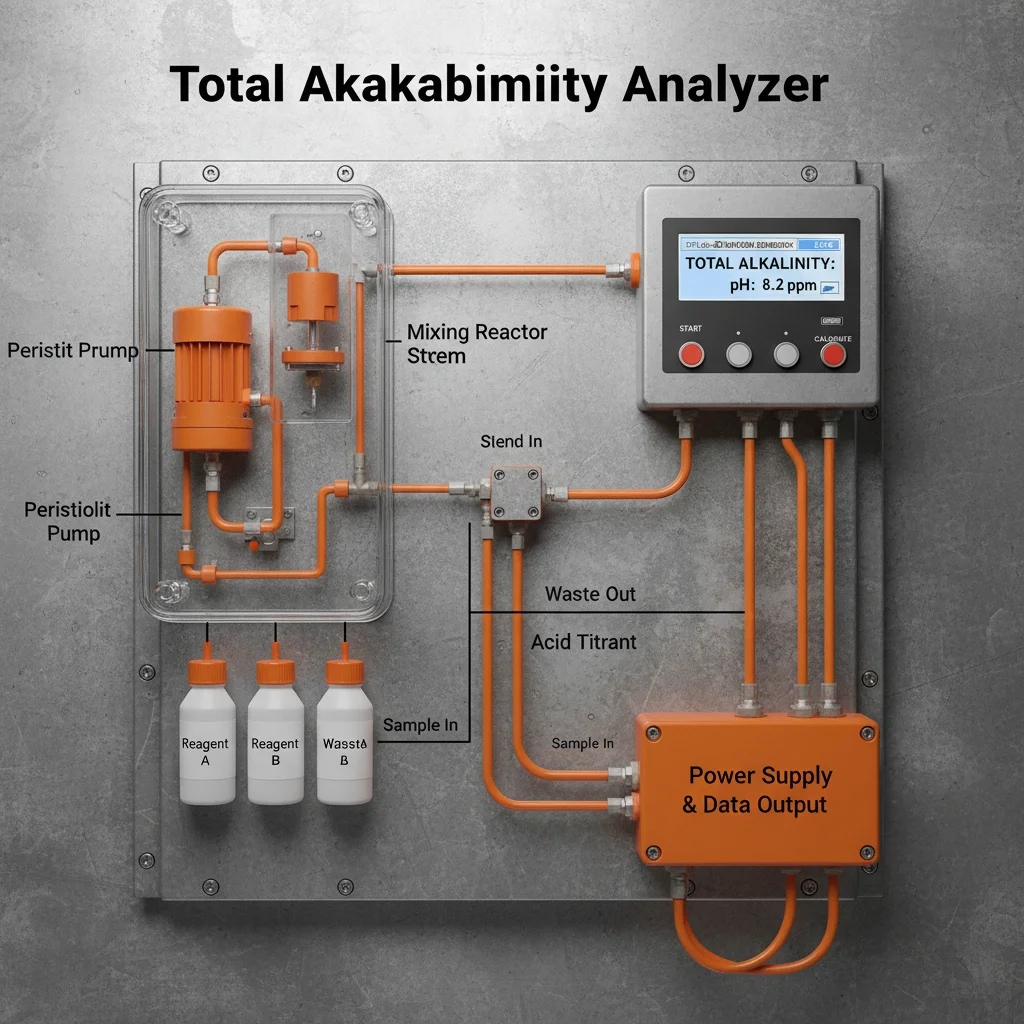
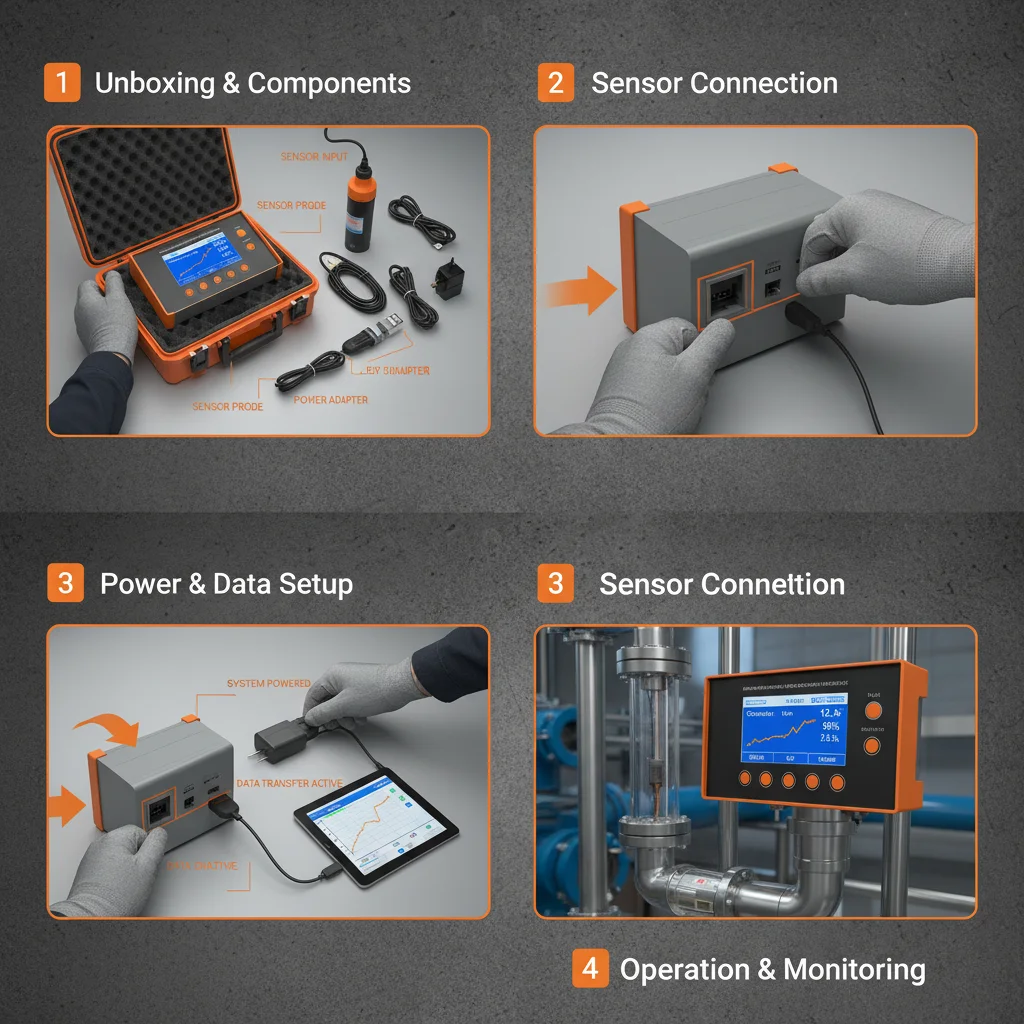
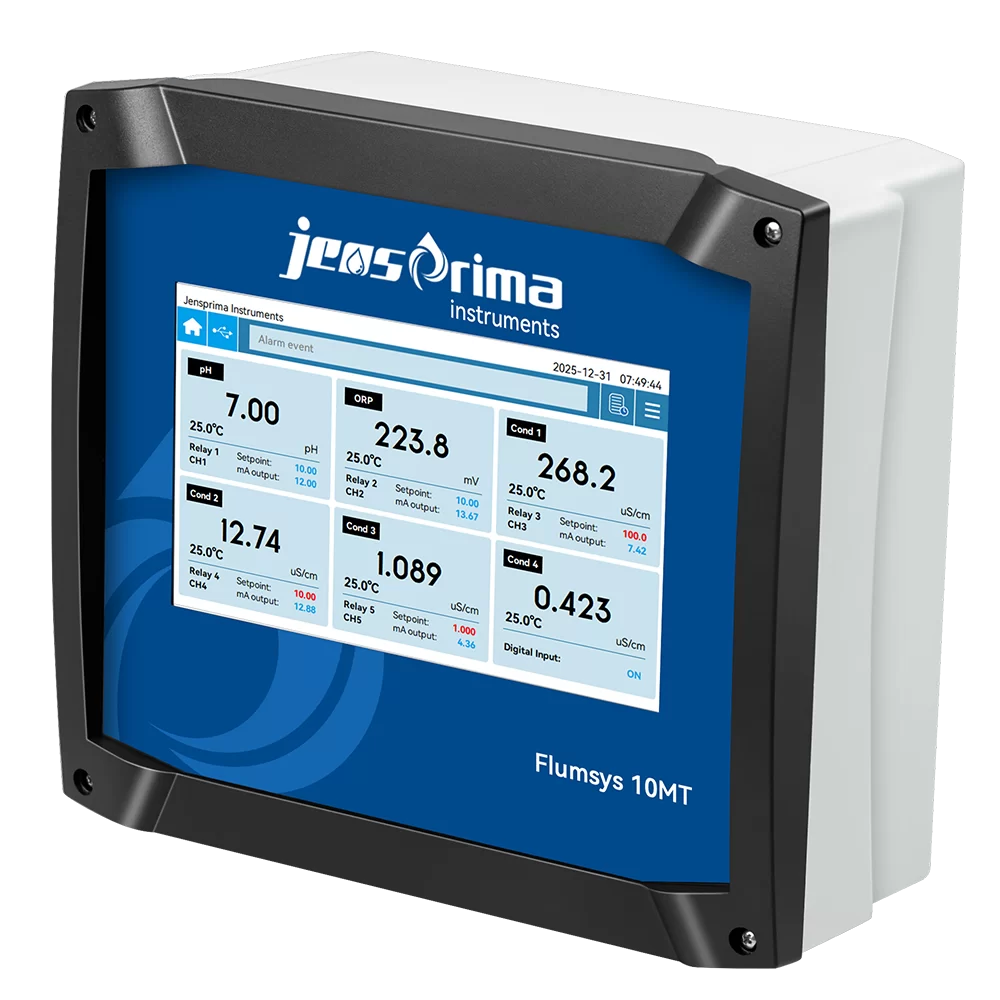
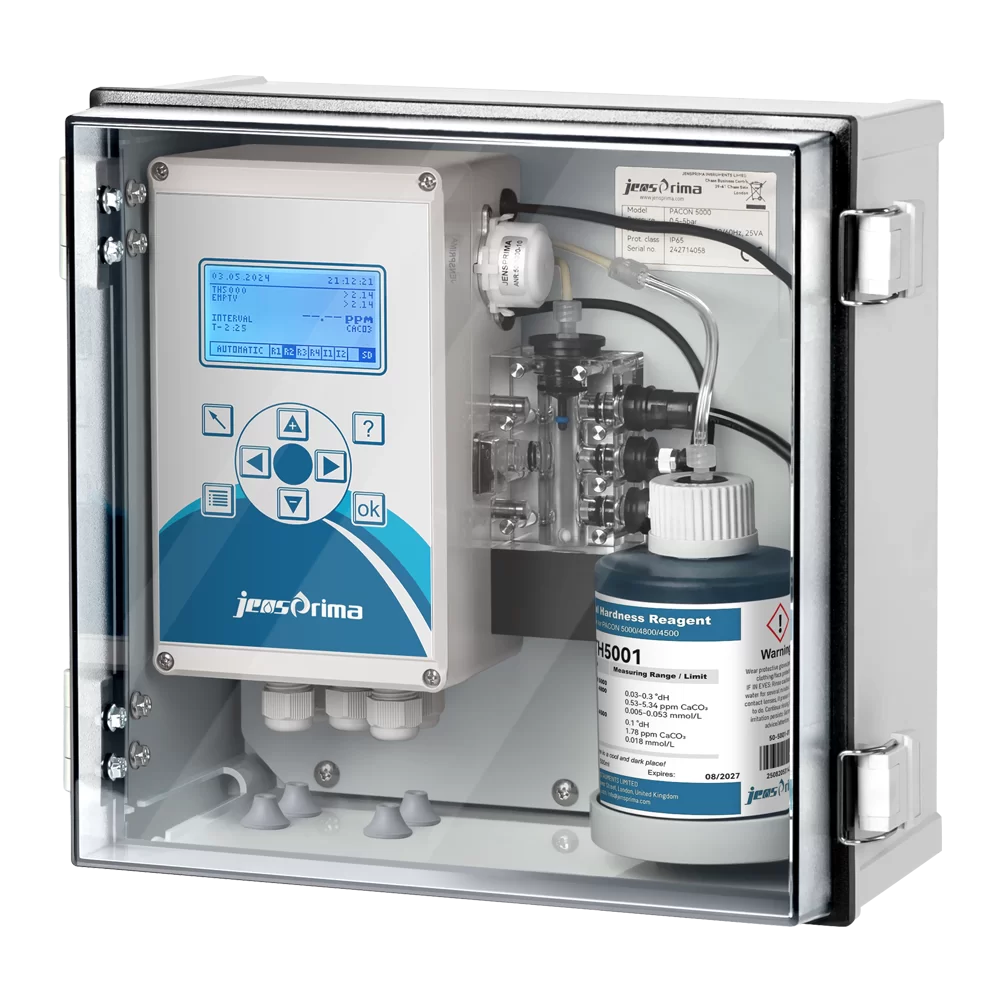
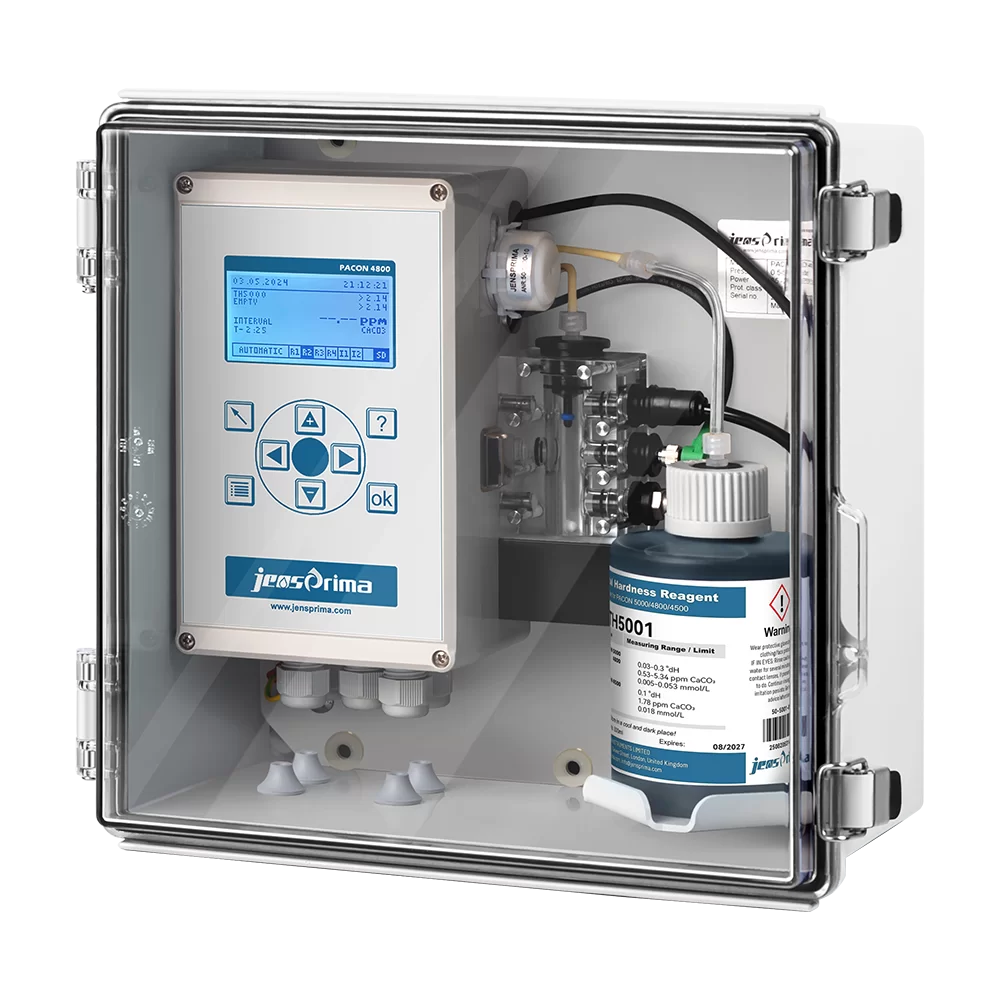
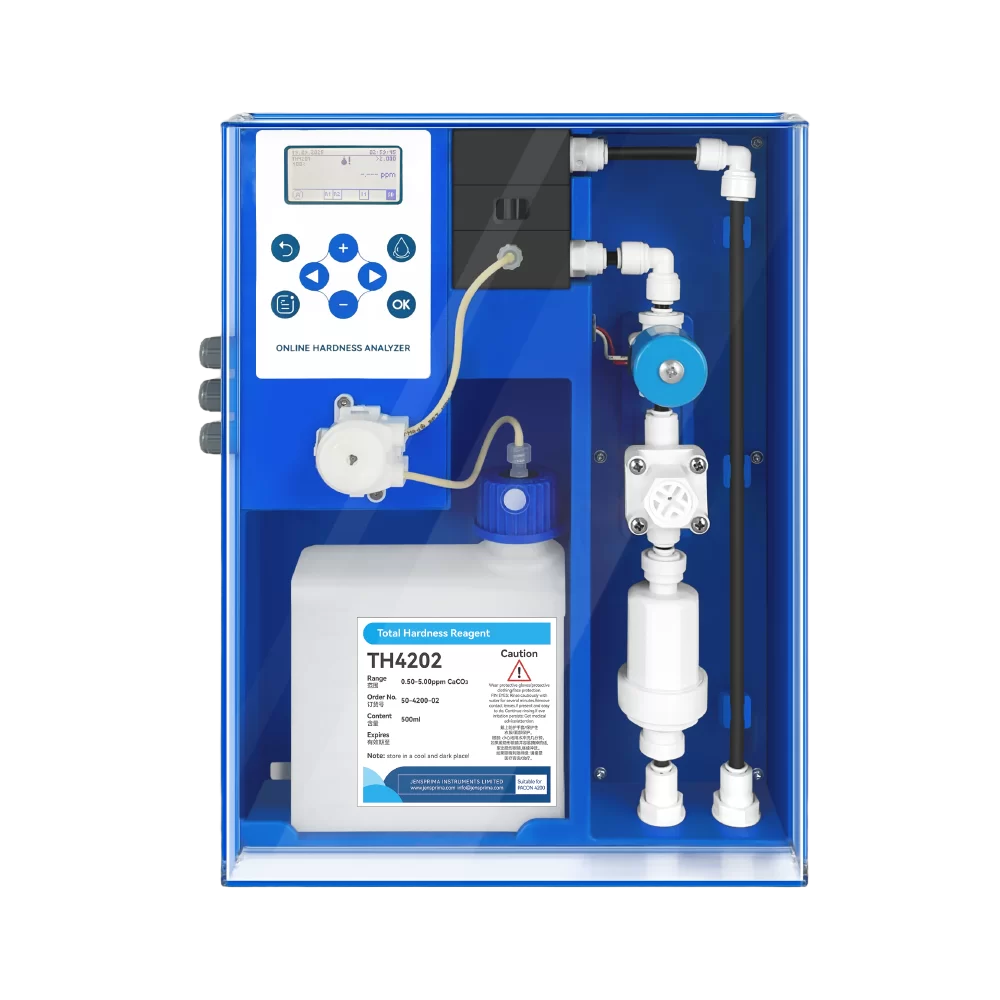
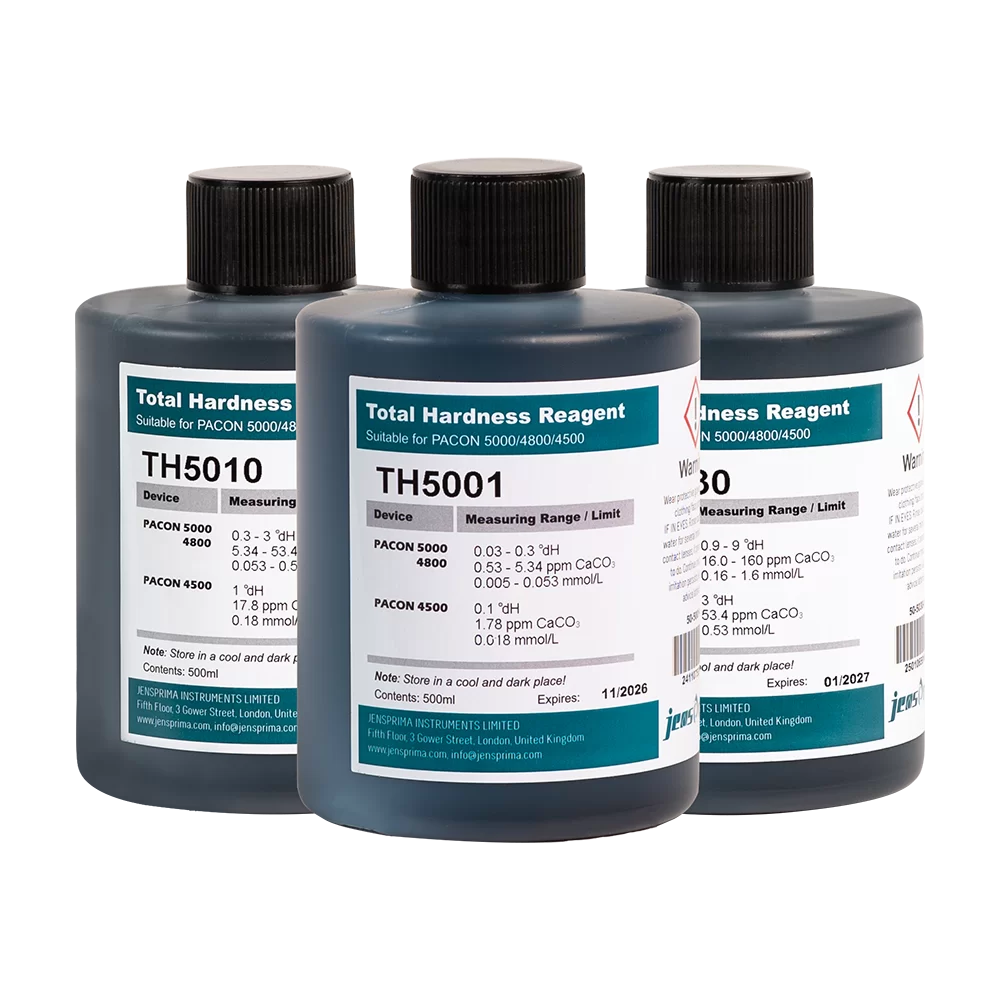
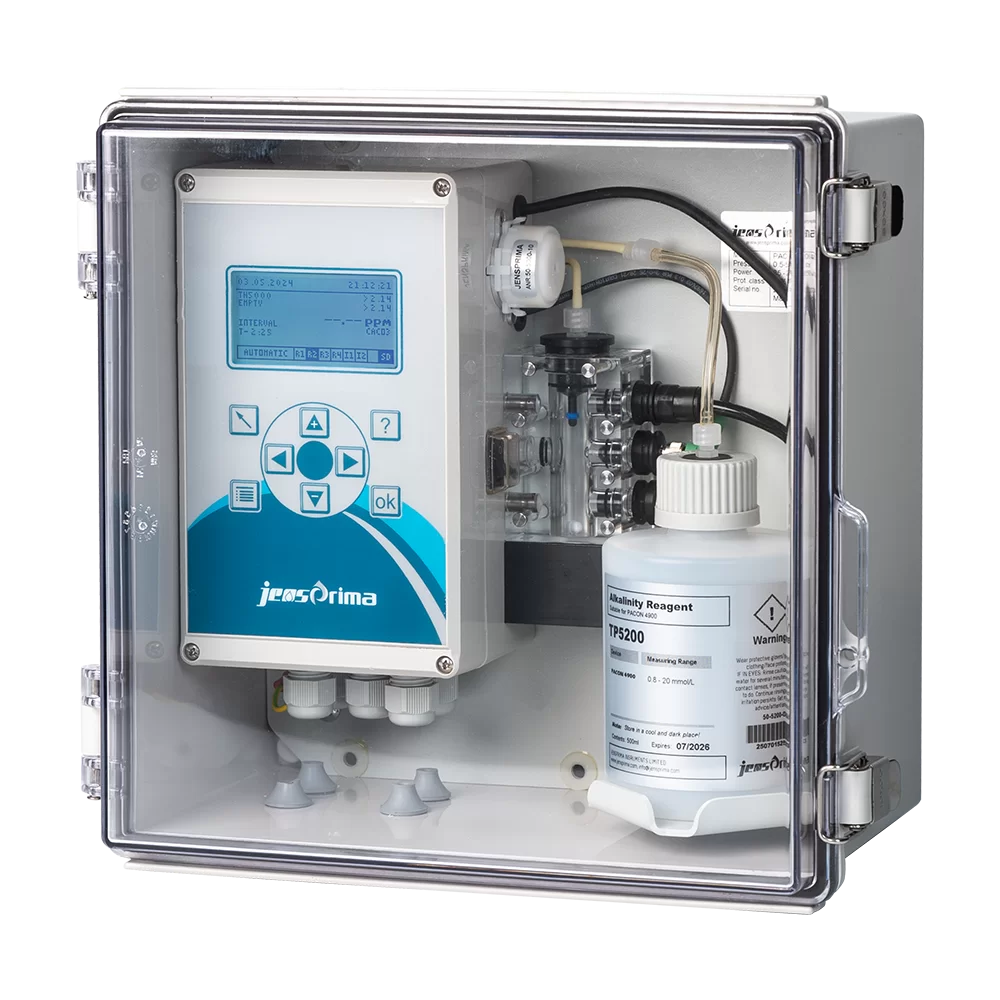
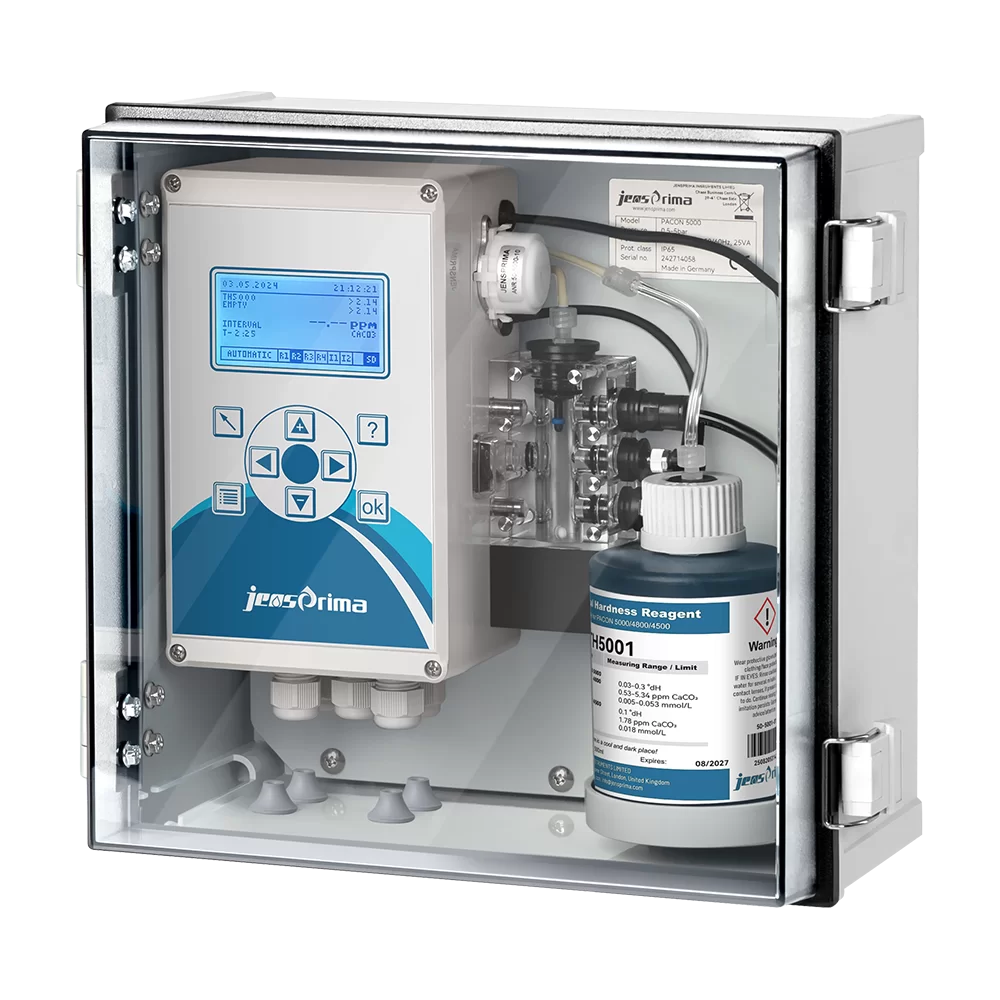
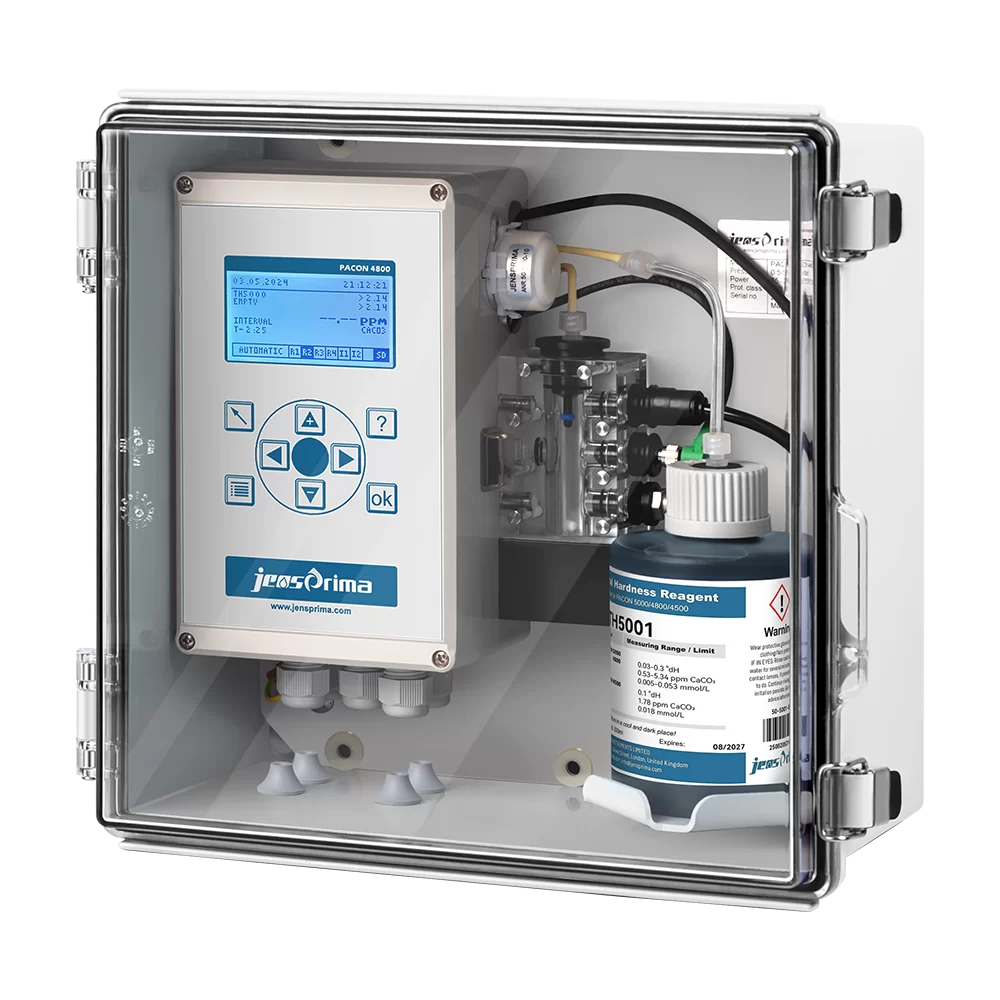
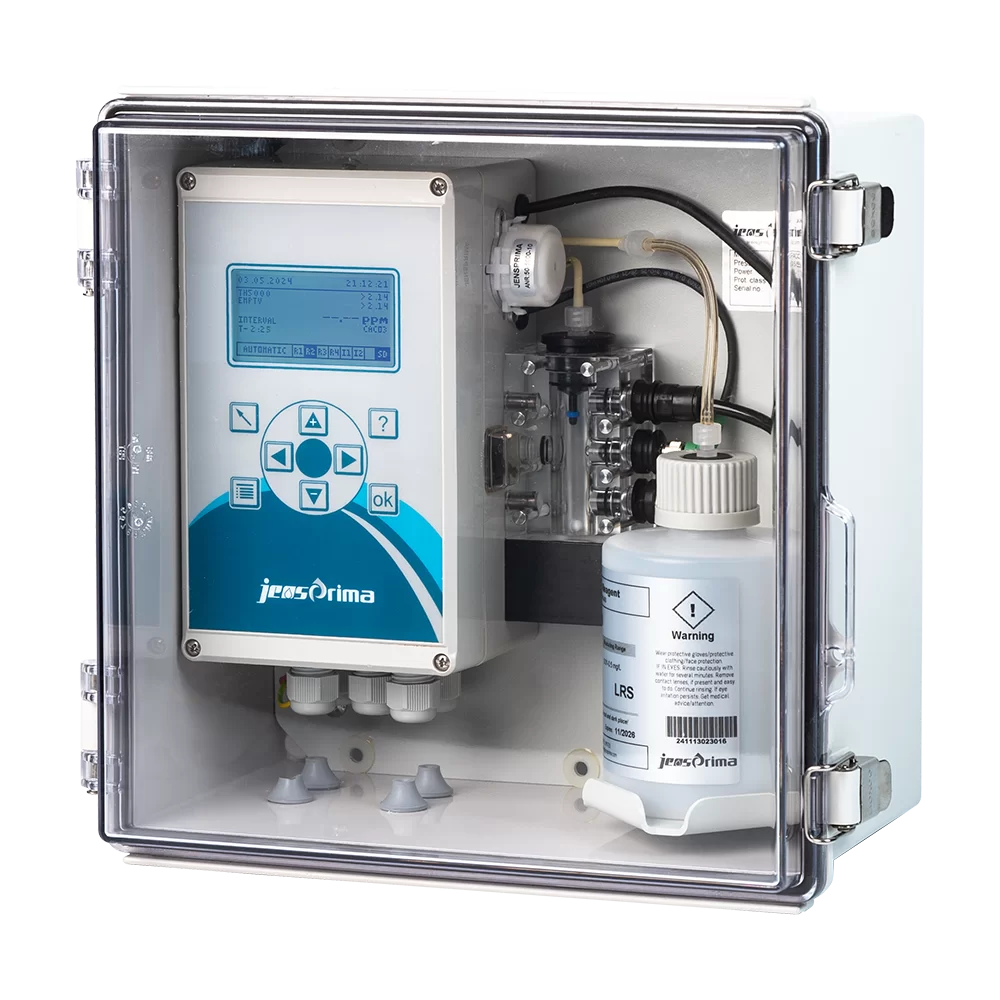
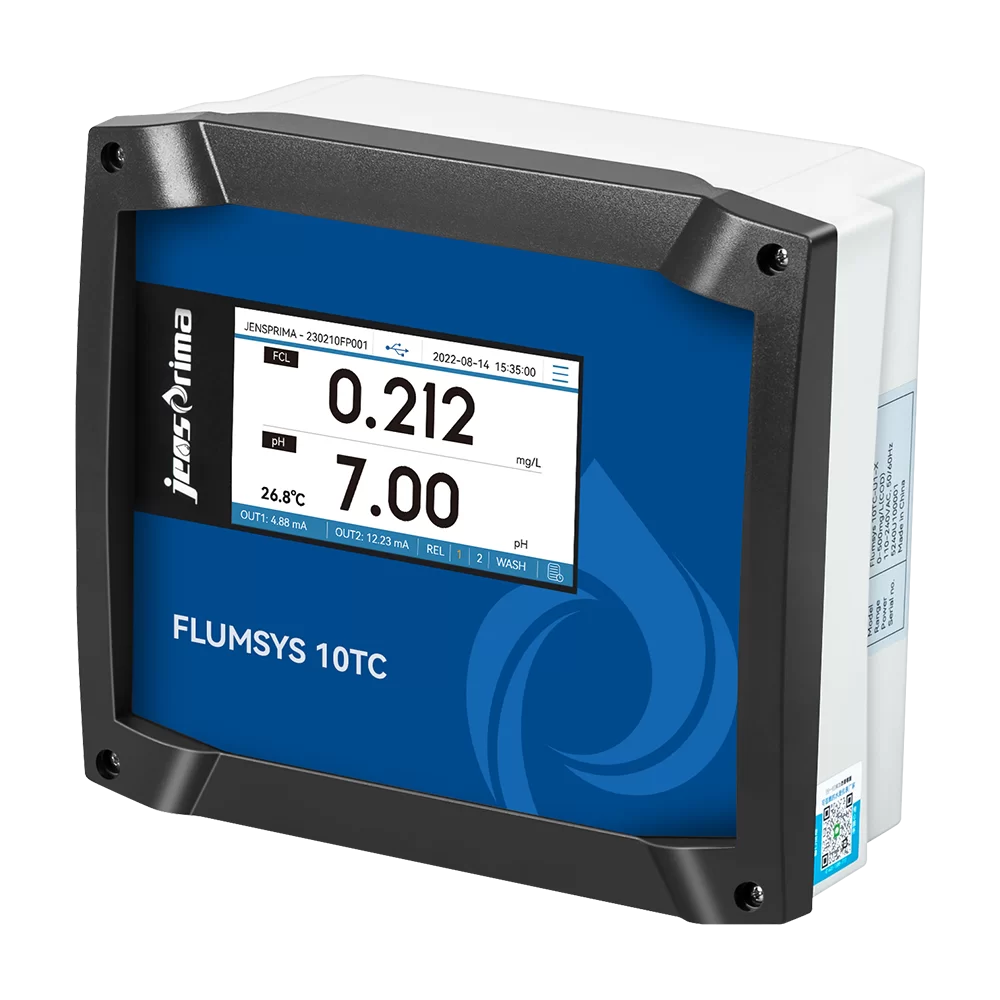
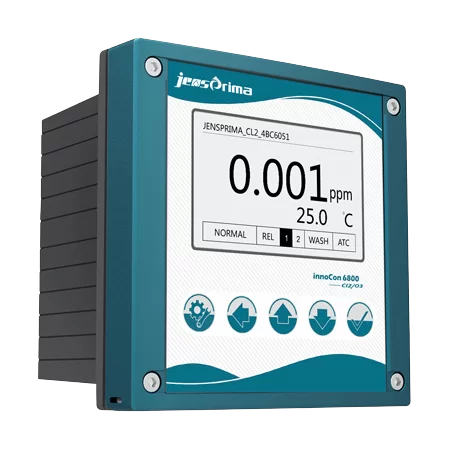
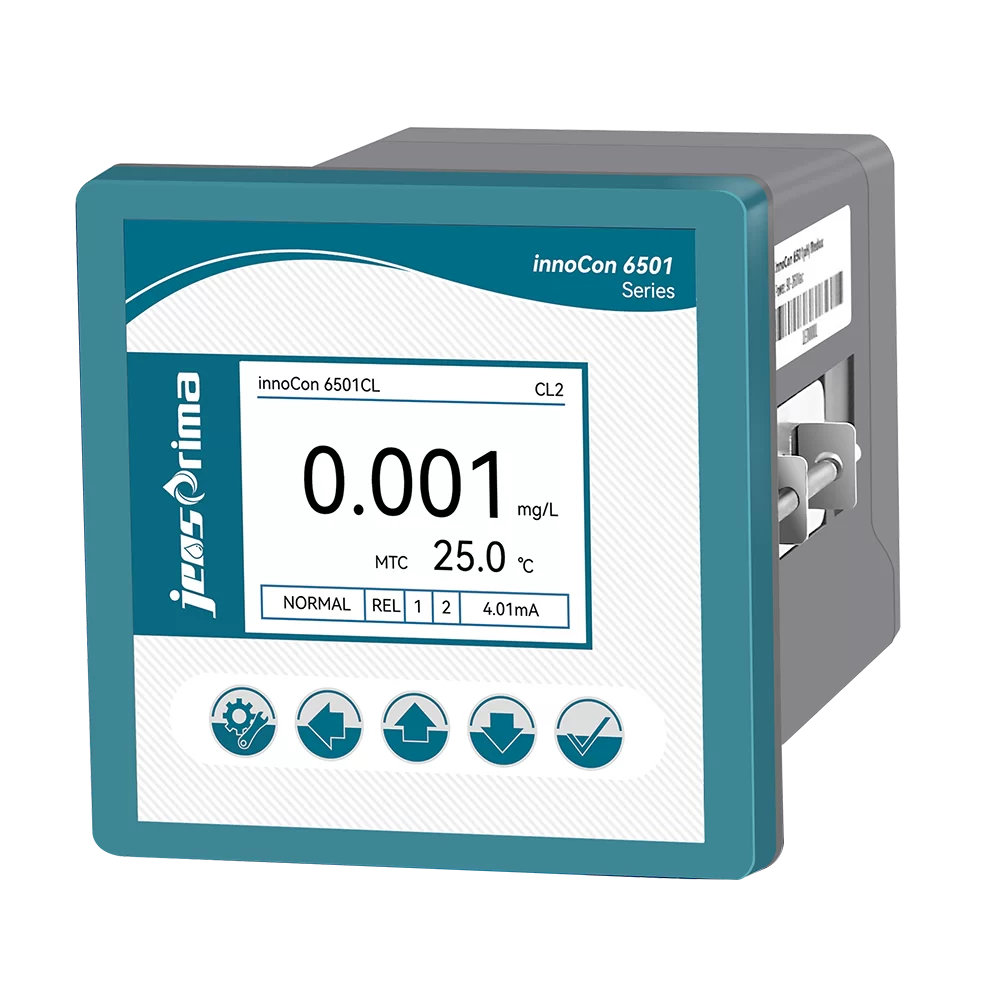
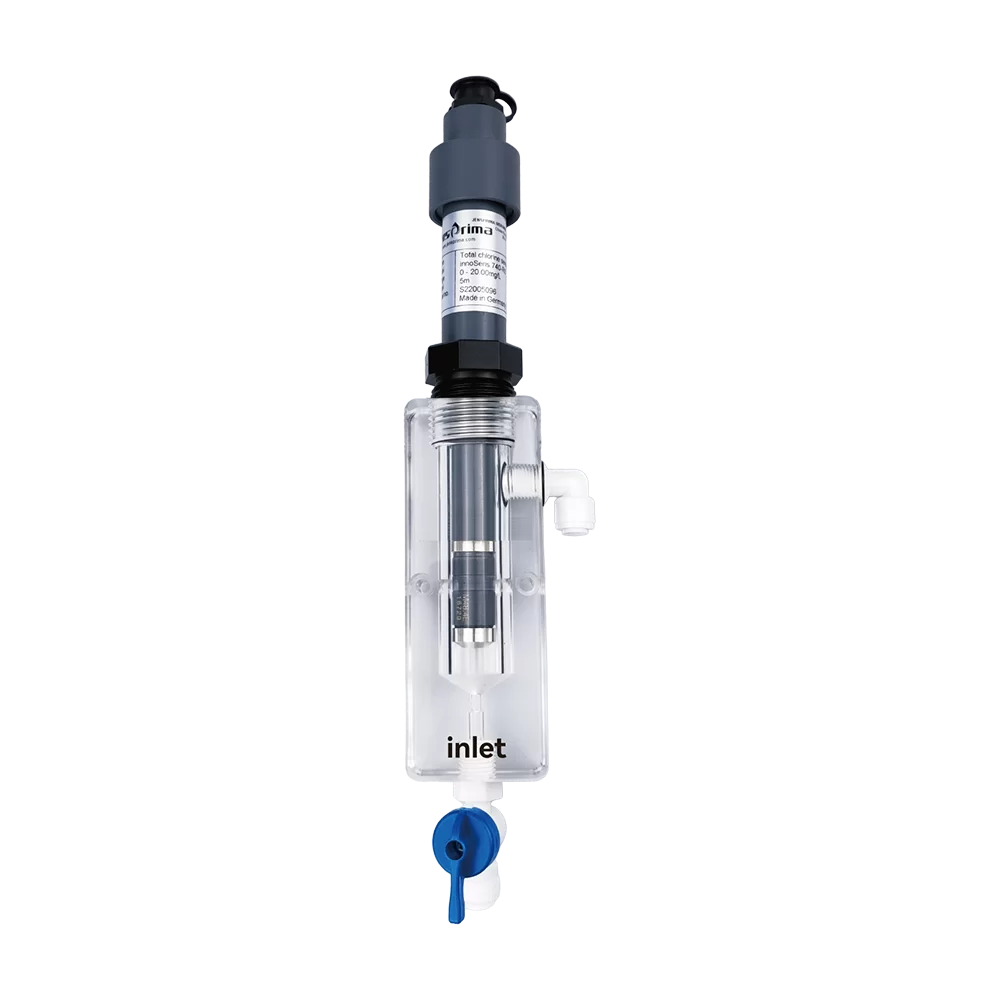
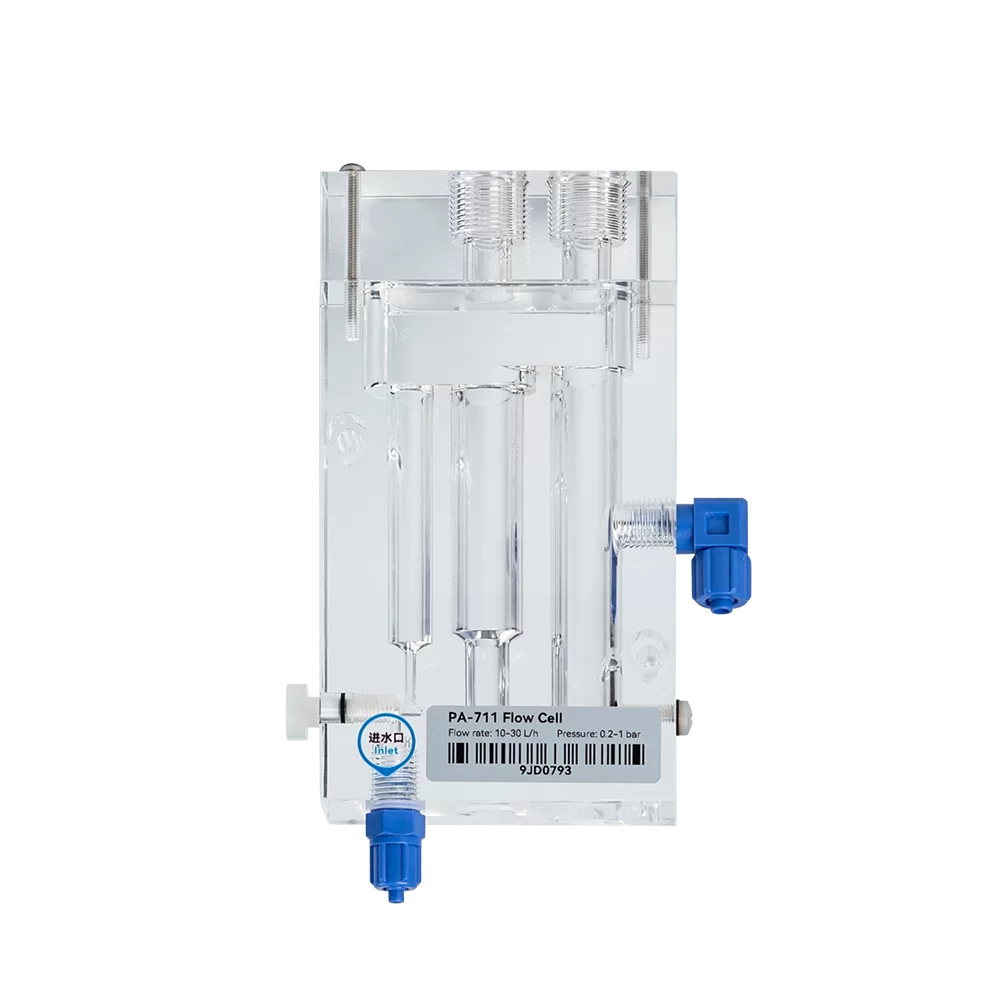
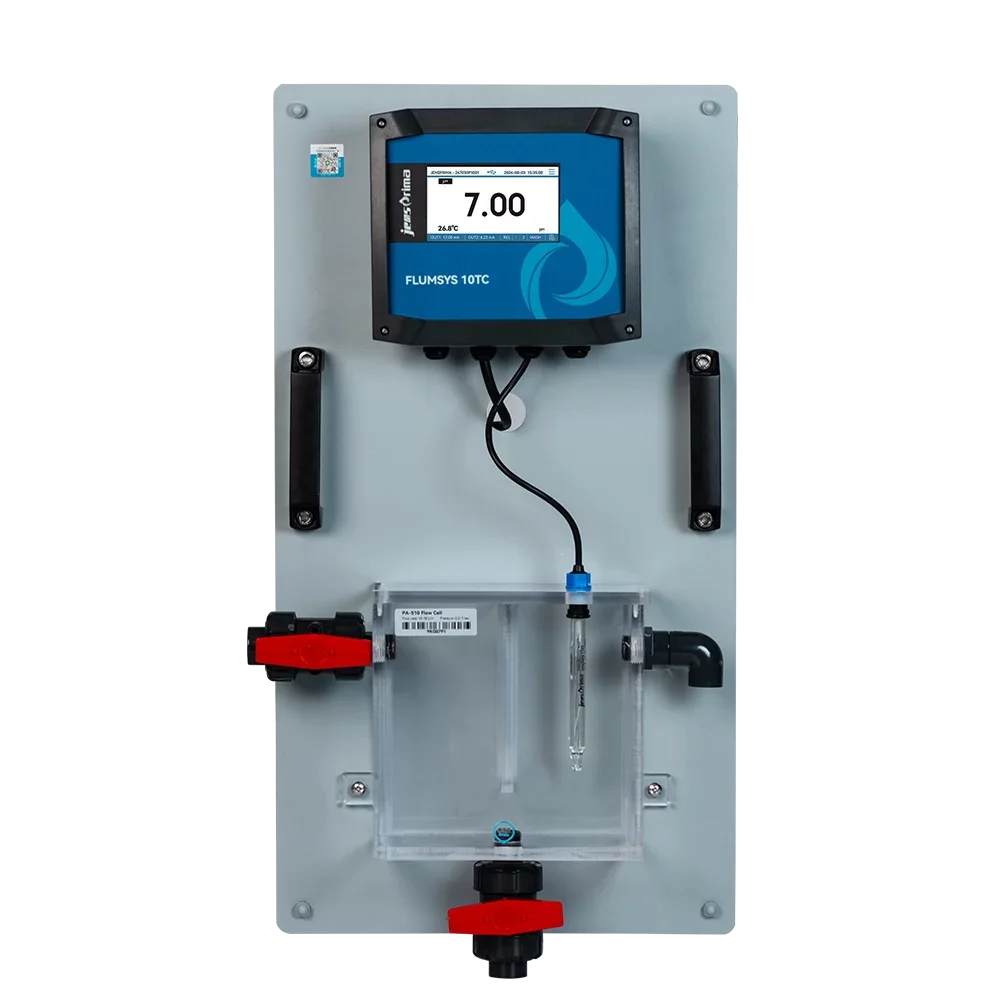
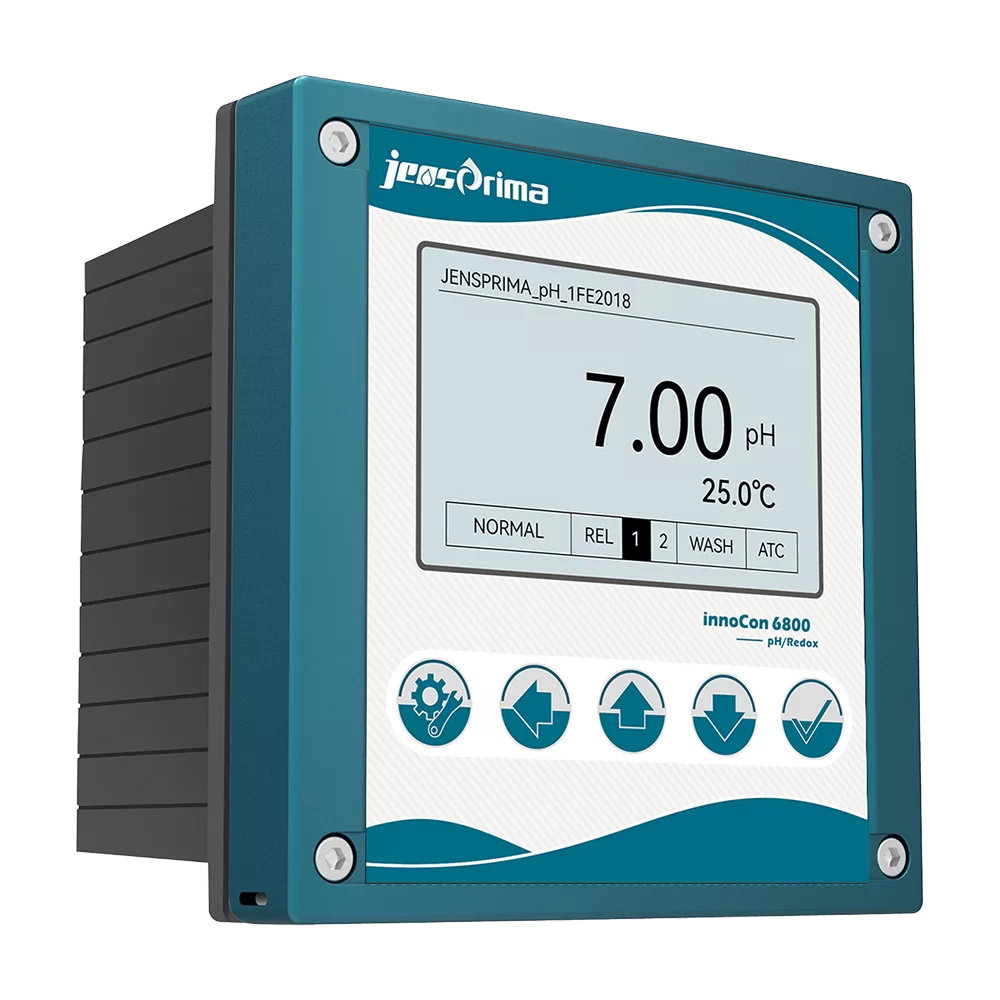
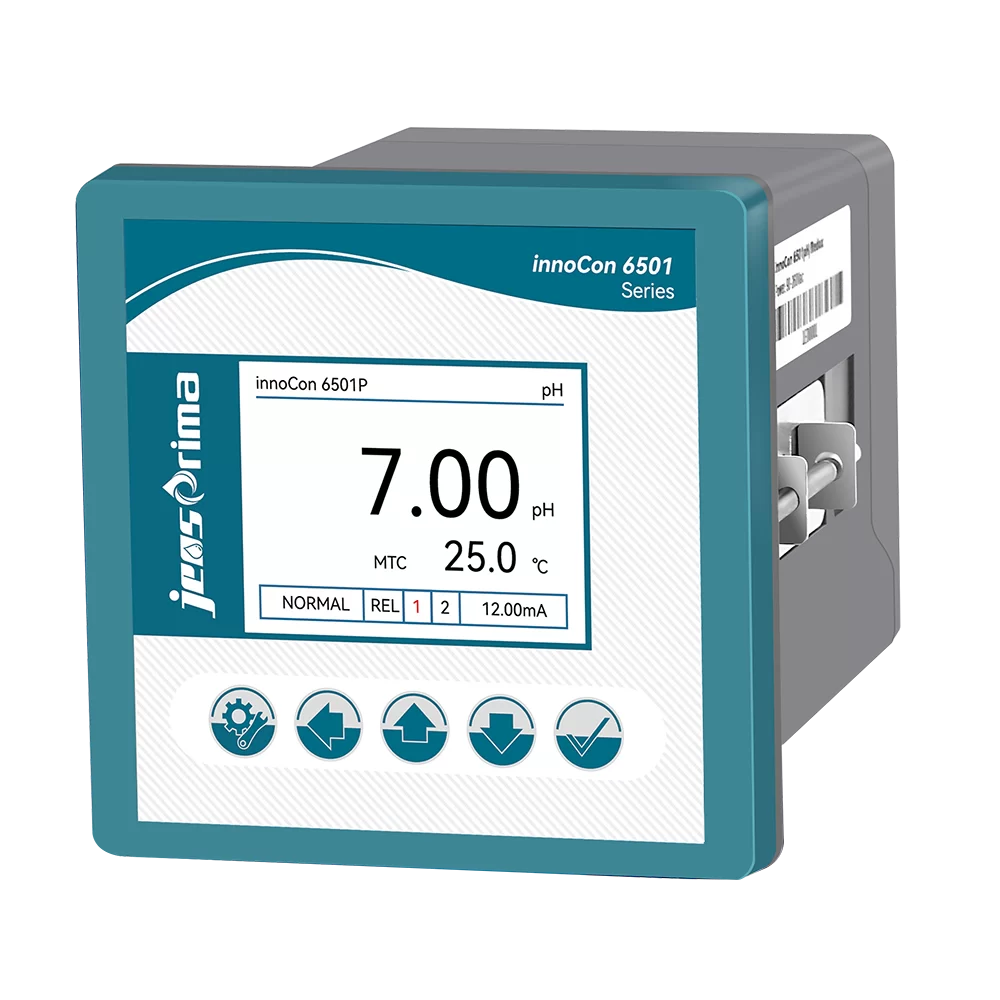
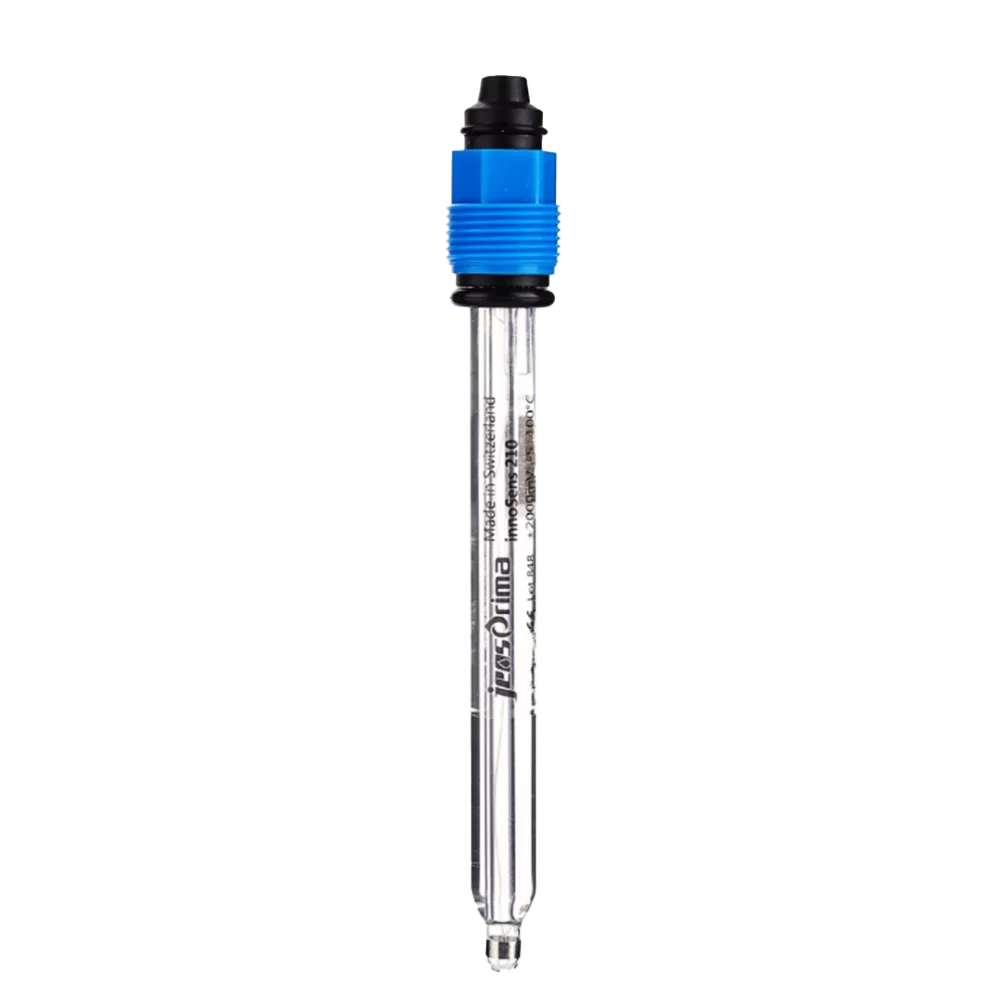
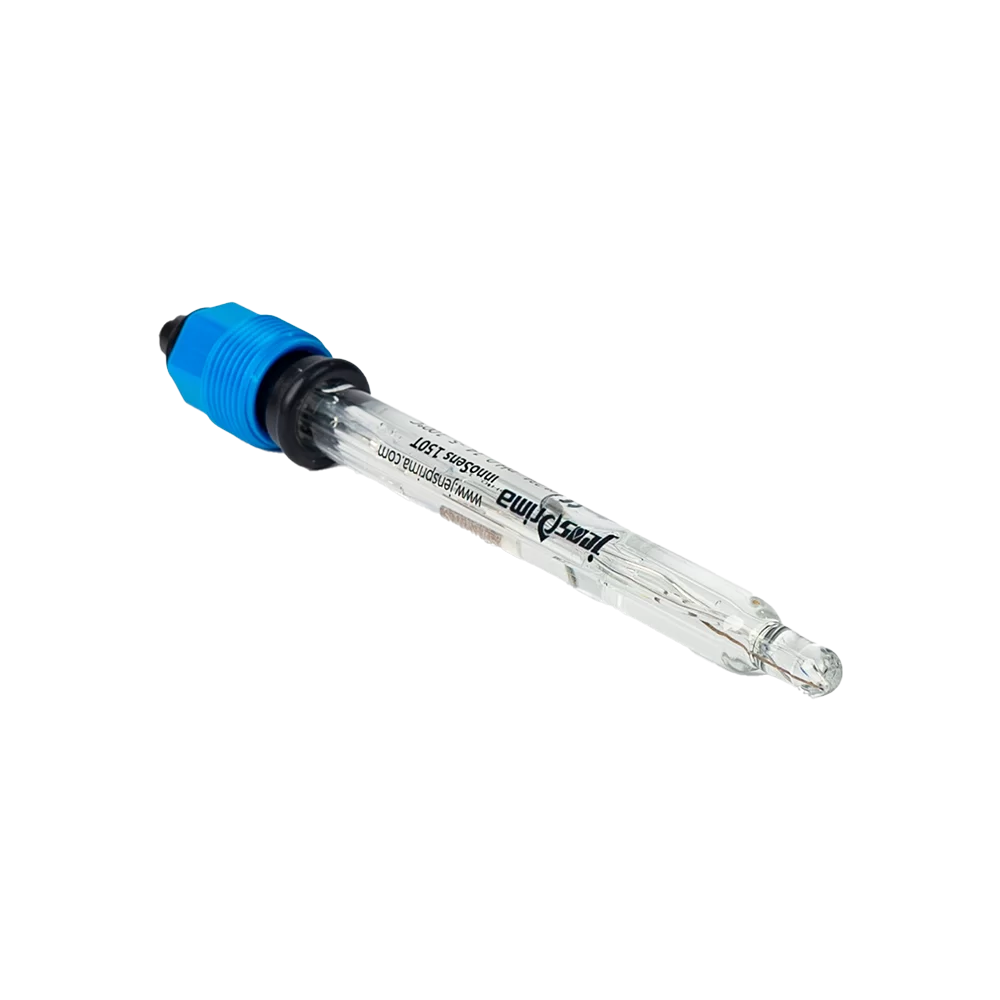
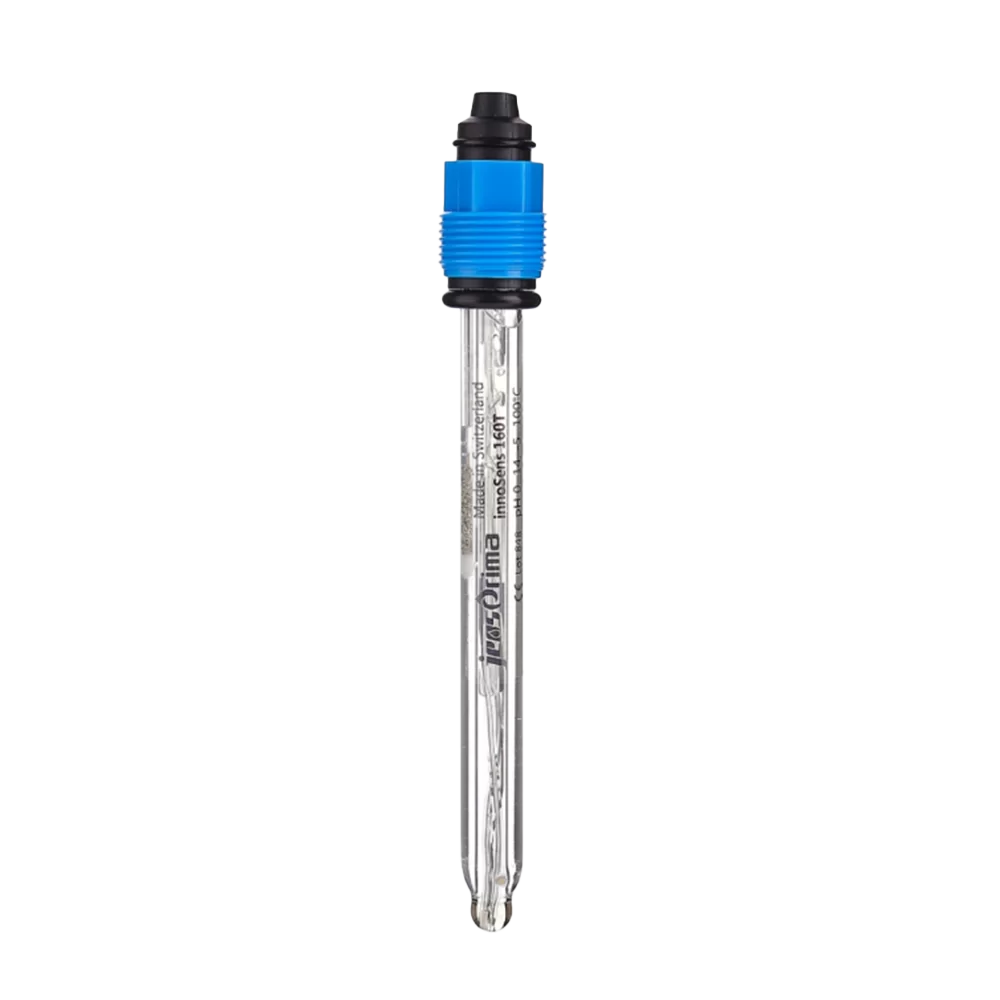
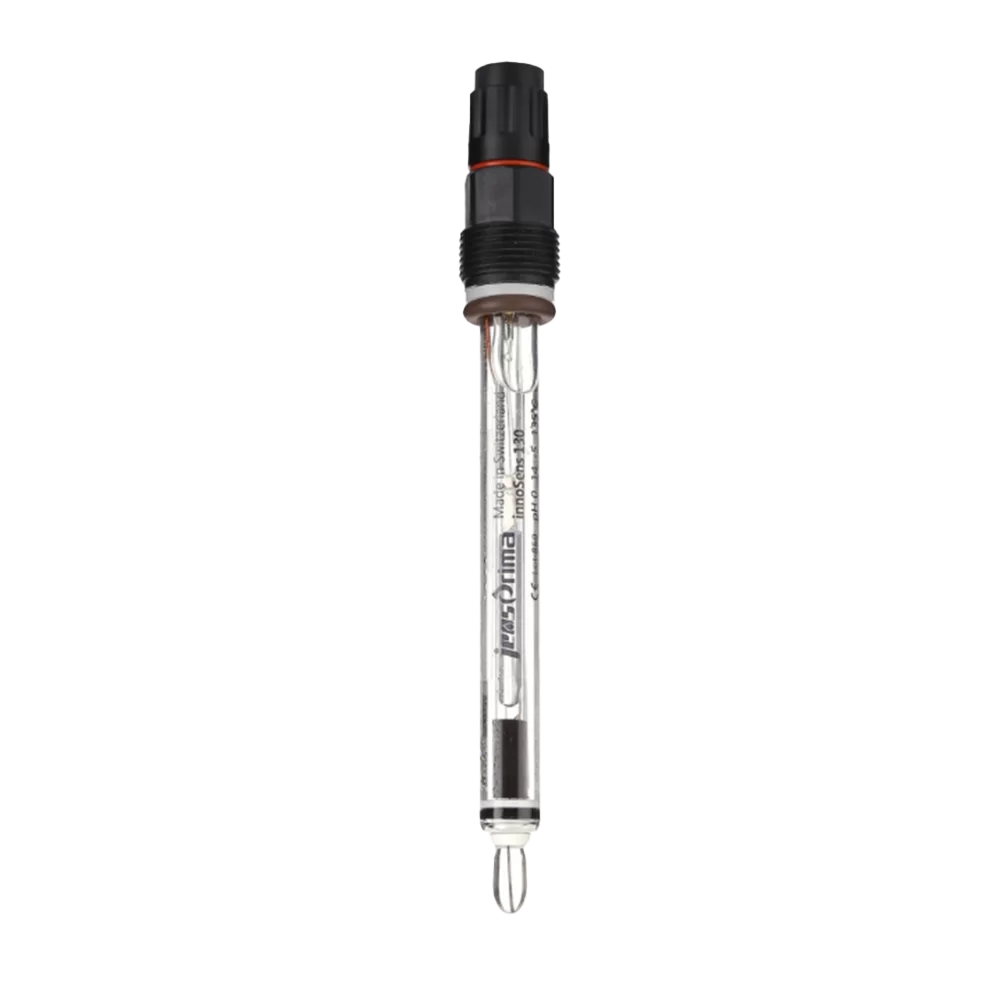
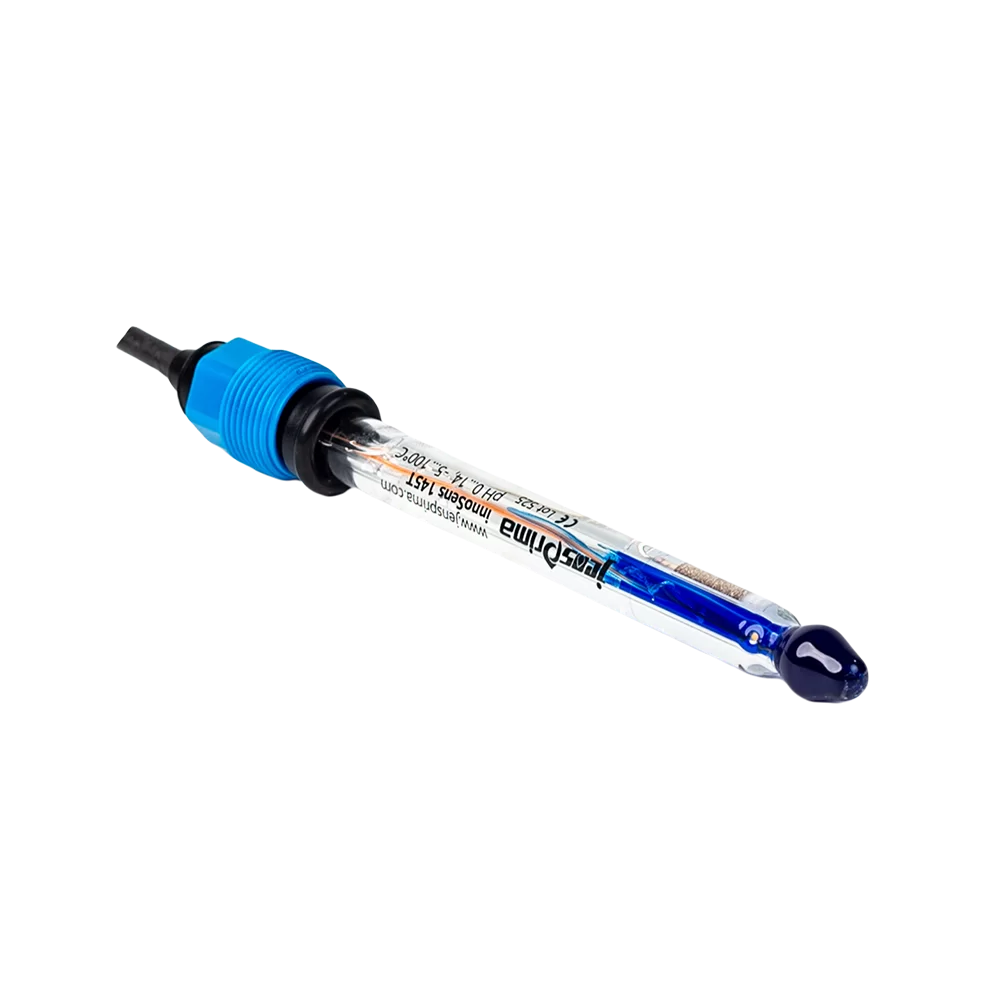
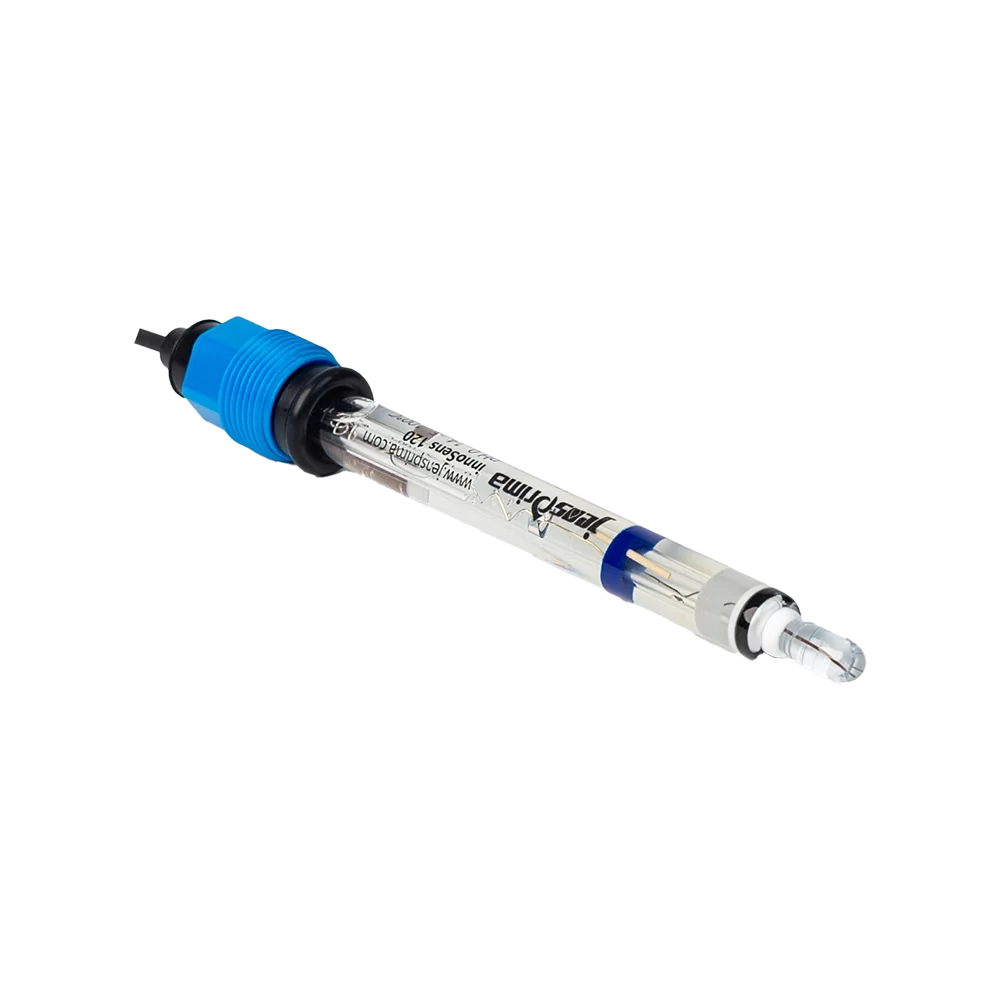
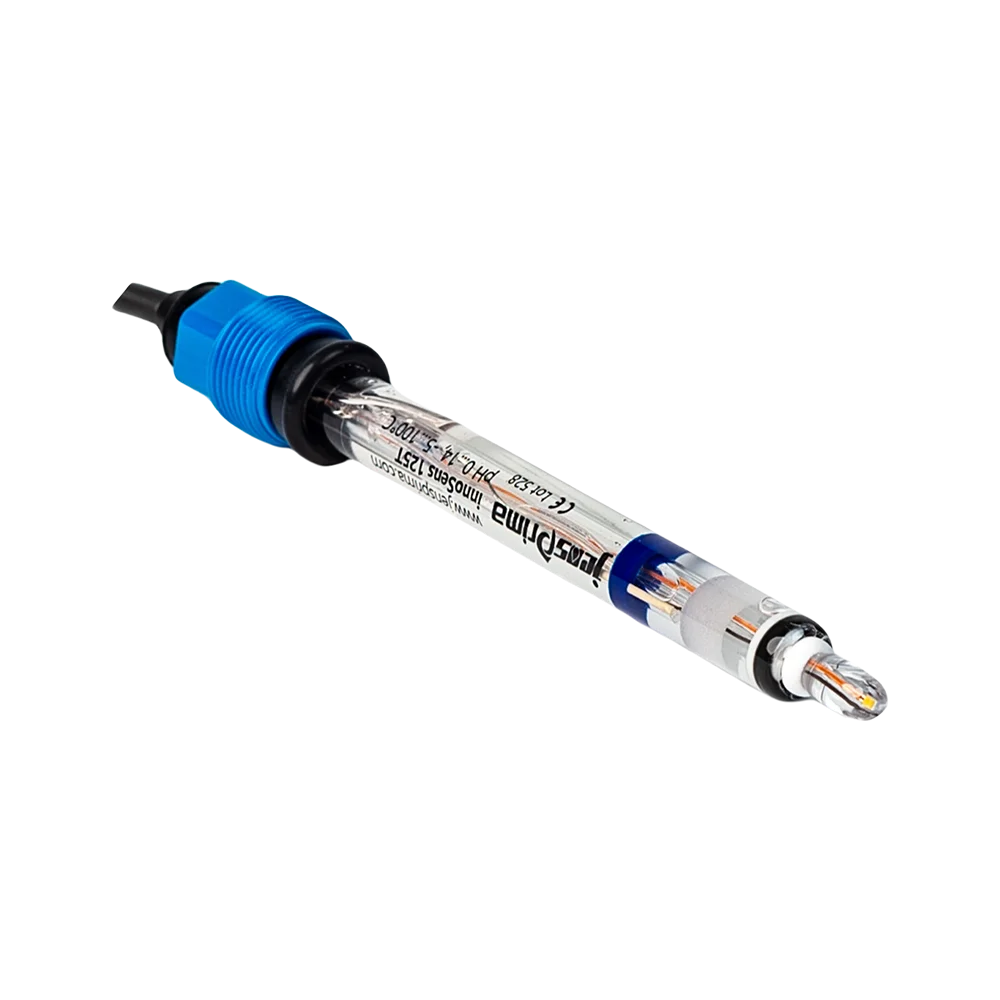
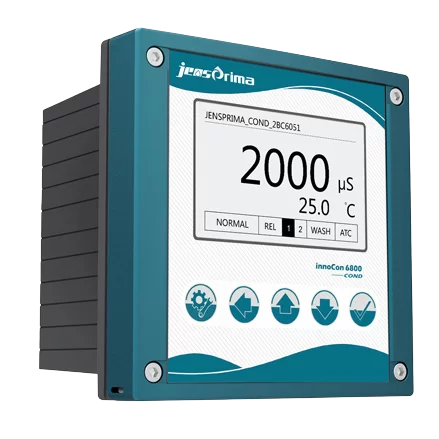
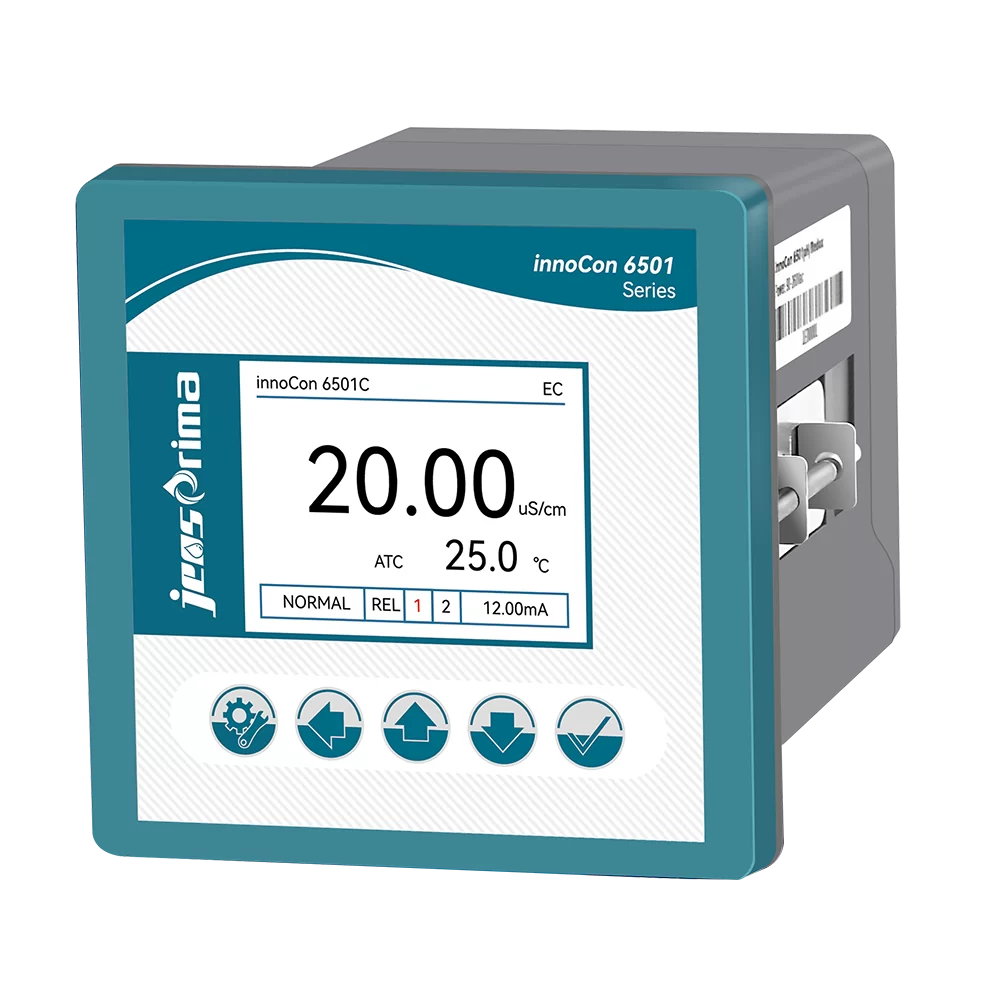
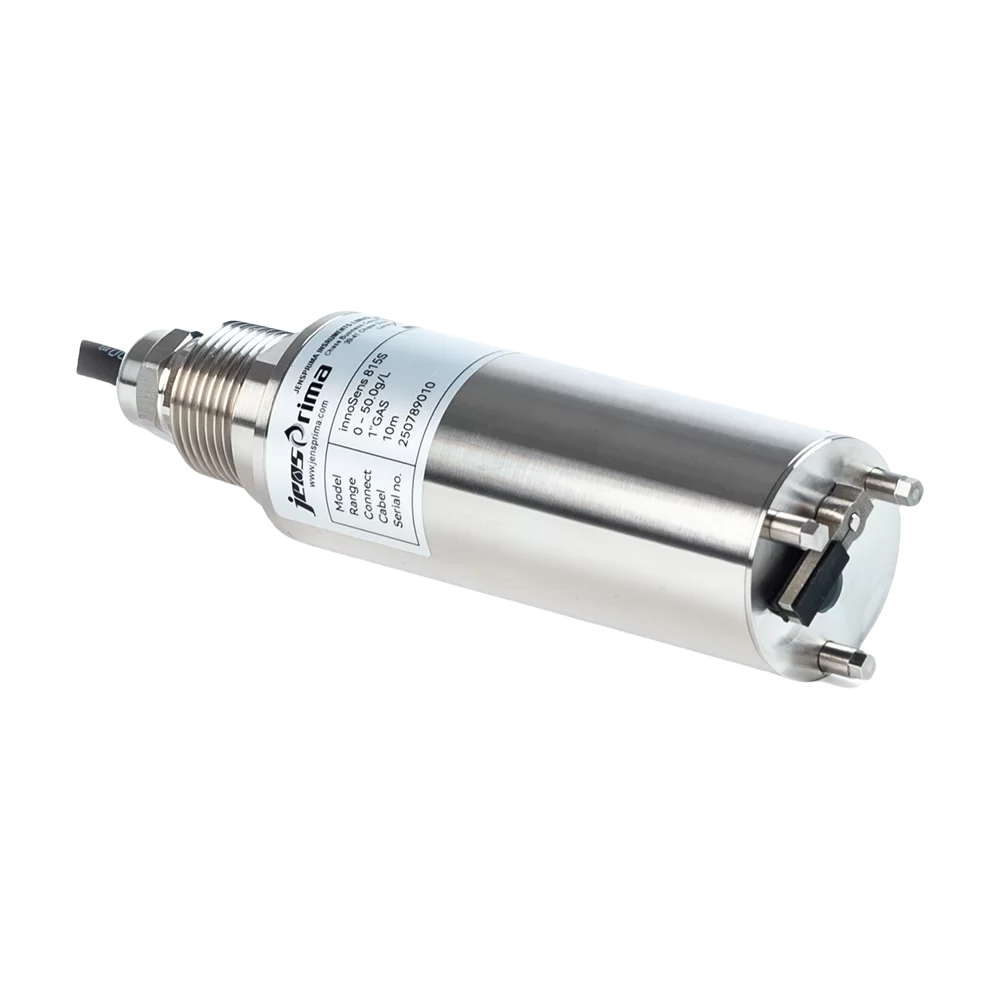
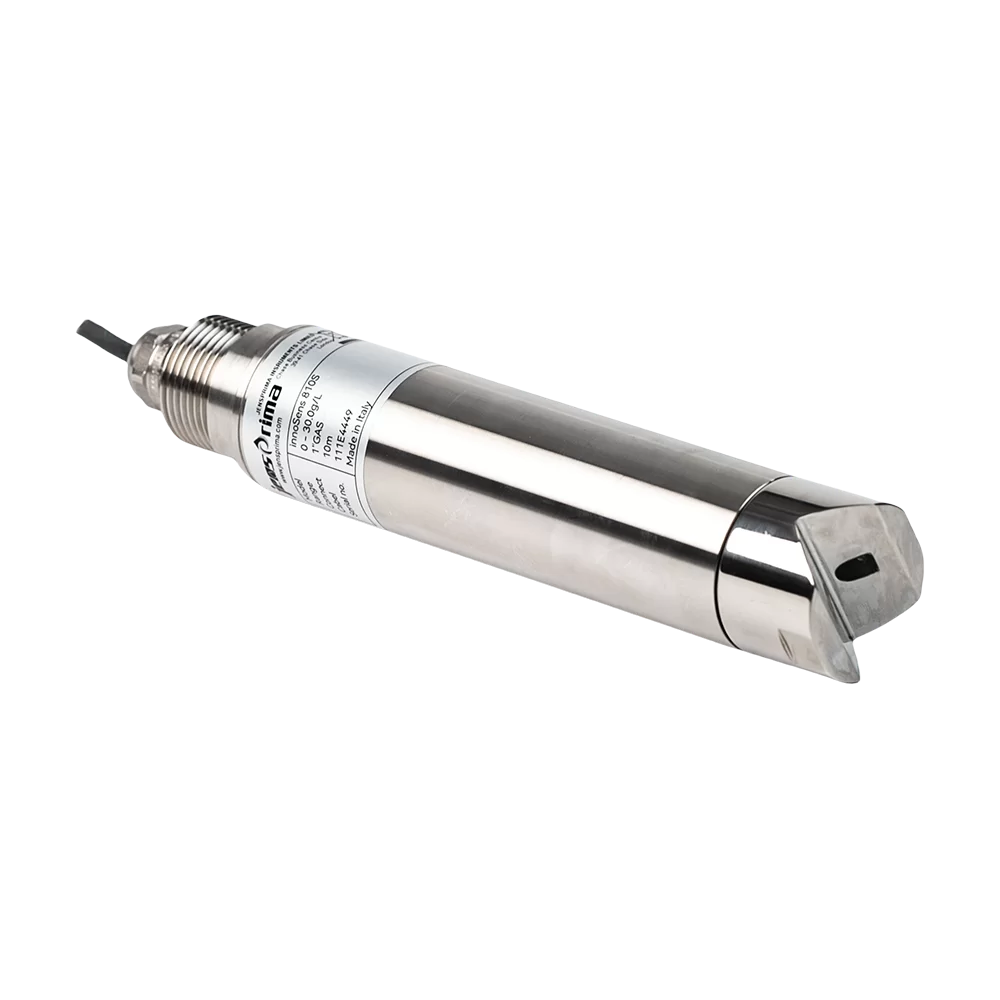
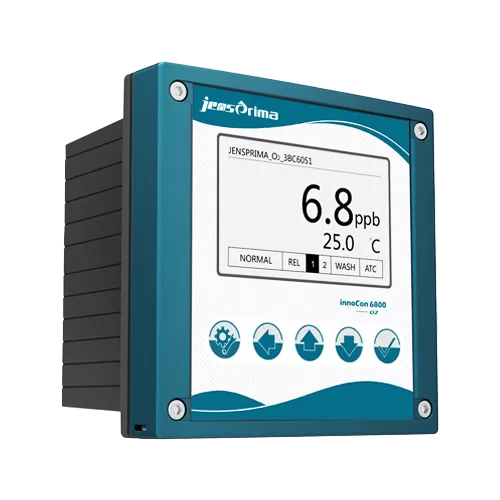
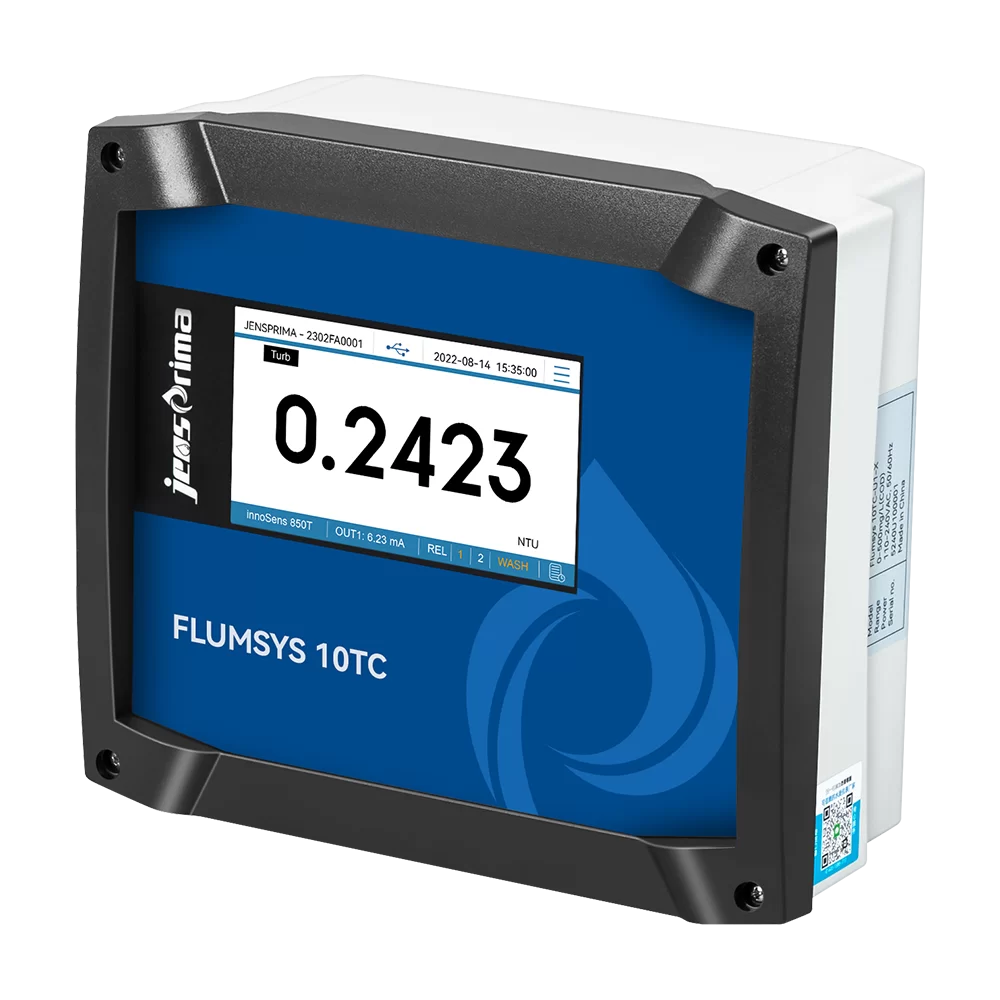
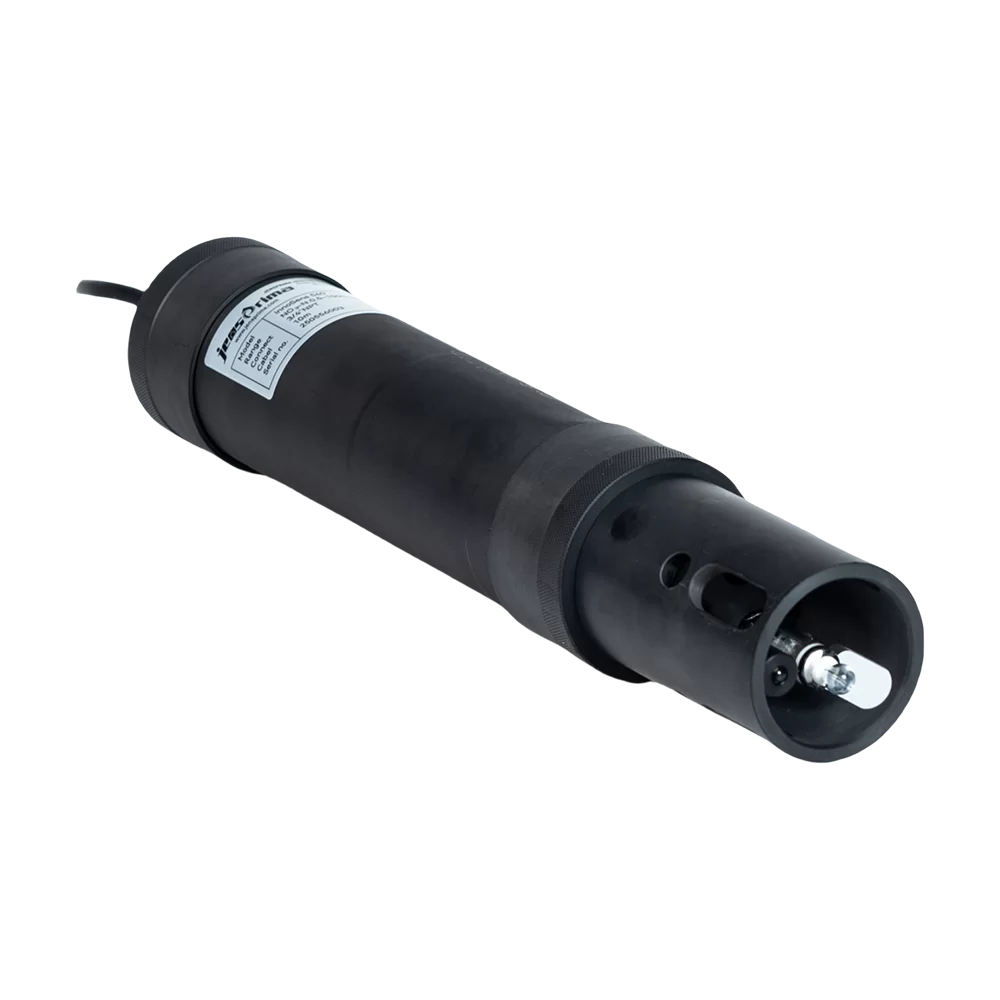
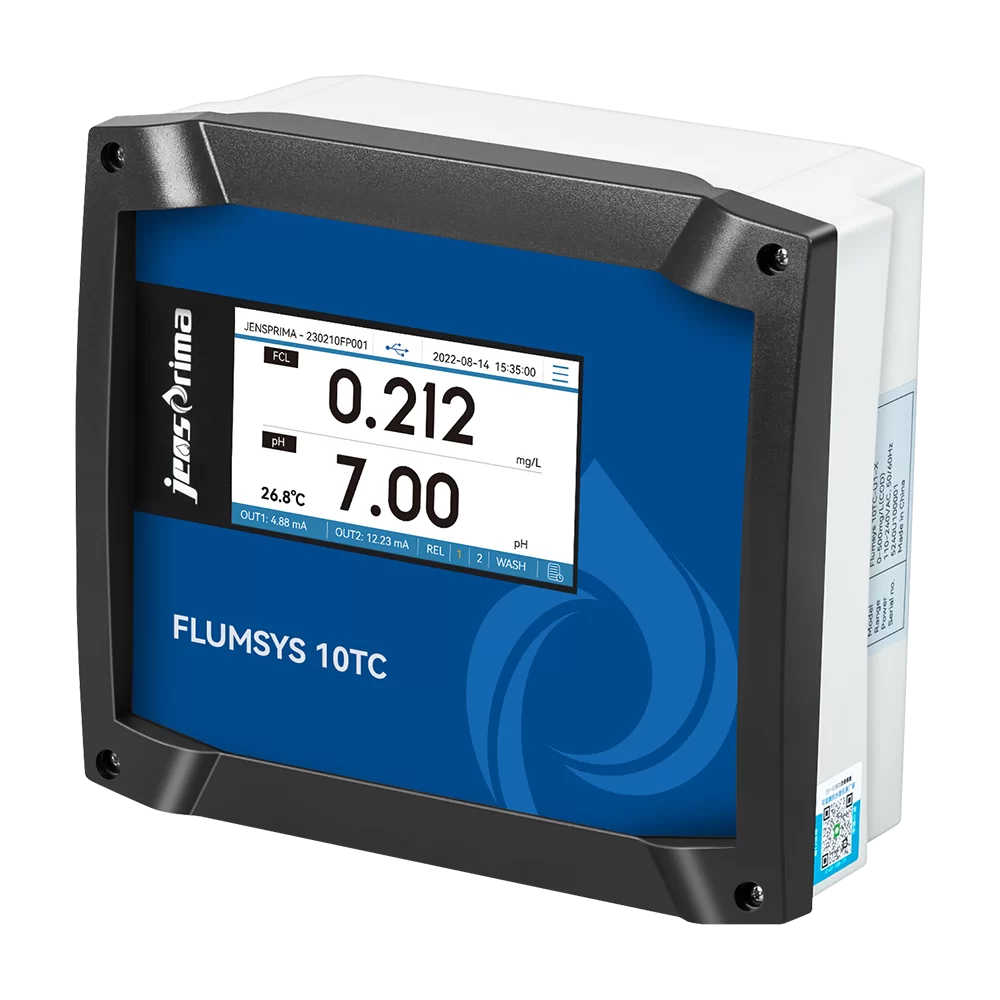
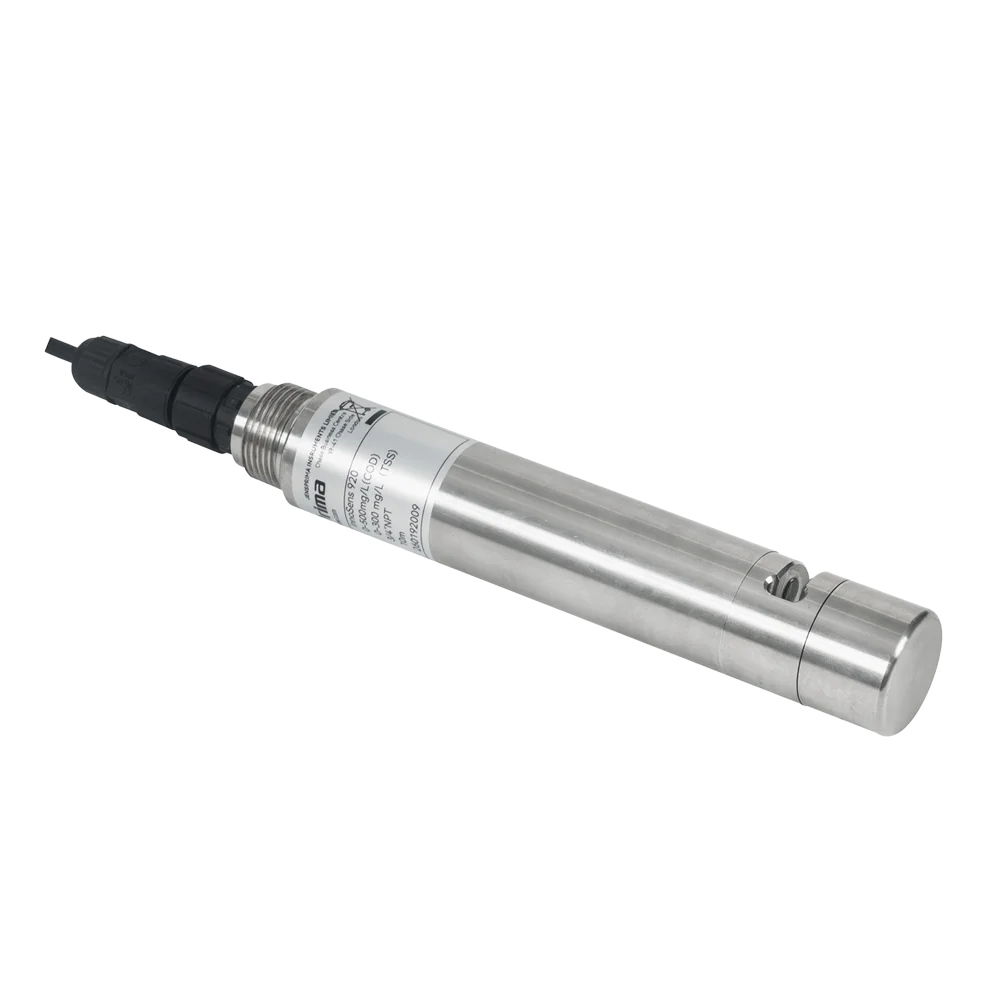
Several types of water hardness analyzers are available, ranging from simple test kits to sophisticated electronic meters. Test kits utilize chemical indicators to estimate hardness levels, offering a cost-effective solution for basic monitoring. Electronic meters provide precise digital readings, often with features like data logging and automatic calibration. When selecting an analyzer, consider the frequency of testing, required accuracy, and budget. Jensprima offers a range of analyzers to suit diverse needs.
Conclusion: Invest in Water Quality Monitoring
Protect Your Investment with Regular Water Hardness Testing
Understanding and managing water hardness is crucial for maintaining the efficiency and longevity of appliances, systems, and processes. A reliable water hardness analyzer from Jensprima empowers you with the data needed to make informed decisions about water treatment, saving you time, money, and potential headaches. Don't wait until problems arise – proactively monitor your water quality today.
Frequently Asked Questions (FAQs)
What is the difference between temporary and permanent water hardness?
Temporary hardness, caused by calcium bicarbonate, can be removed by boiling the water, as it precipitates out as calcium carbonate (scale). Permanent hardness, caused by calcium sulfate and magnesium chloride, cannot be removed by boiling. Water softening systems typically address both types of hardness through ion exchange. A water hardness analyzer measures the total hardness, regardless of its origin. Understanding the difference can help select the most appropriate water treatment solution.
How often should I test my water for hardness?
The frequency of testing depends on your water source and usage. If you have a private well, testing at least annually is recommended, and more frequently if you notice changes in water quality. For municipal water supplies, testing every few years is generally sufficient, unless you experience scaling issues. If you've recently installed a water softener, regular testing with a water hardness analyzer is crucial to ensure it's functioning correctly.
Are there health concerns associated with hard water?
While generally not a health risk, hard water can contribute to skin dryness and irritation in some individuals. It can also affect the taste of water and beverages. The primary concerns with hard water are the practical issues related to scale buildup and reduced appliance efficiency, rather than direct health effects. Using a water hardness analyzer helps you determine if water softening is necessary to address these issues.
What are the benefits of using a water softener?
Water softeners remove calcium and magnesium, preventing scale buildup in pipes and appliances, extending their lifespan, and improving their efficiency. They also enhance the cleaning power of soaps and detergents, leading to cleaner laundry and dishes. Using less detergent also benefits the environment. Regular monitoring with a water hardness analyzer helps ensure the softener is working effectively and that the water remains at an optimal level of softness.


 Download
 Video Center
 Technical Services
 FAQS
FAQS Service Network
 Privacy Policy
 Contact Us




 LEARN MORE
![[Hardness] Water Hardness Unit Conversion Table](https://images.cnmqh.com/images/a10056/1-20251023015852.webp "[Hardness] Water Hardness Unit Conversion Table")